Maintenance & Prevention
A Dryer With No Vent: The Maintenance Nobody Told You About
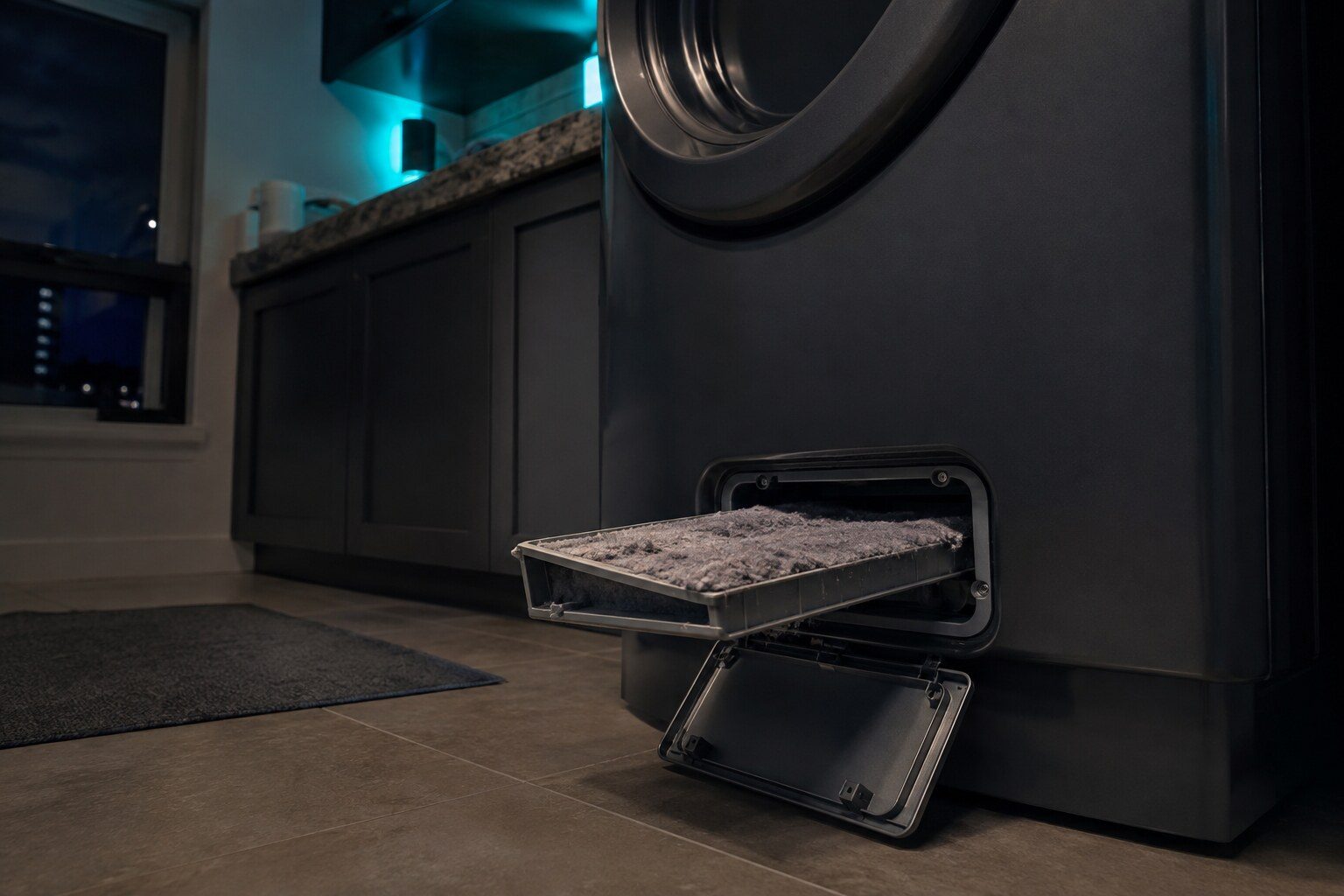
A vented dryer has one lint screen and a duct to the outside, and its maintenance is essentially the duct. A ventless heat pump dryer has neither — it condenses the moisture out of the air instead and recirculates it — so the maintenance moved somewhere else and nobody was told. There is the lint screen in the door as usual, and then a second filter behind a hatch at the bottom of the machine that many owners never open. Behind that sits a condenser block, which on models where it is user-serviceable slides out to be rinsed. And there is a water path: the condensed moisture goes to a small pump and either into a tank you empty or into a standpipe. When that path blocks the machine stops and says drn. In this climate the drying is slower than a vented machine to begin with, by design, and every one of these neglected parts makes it slower still — which is why owners so often report their ventless dryer as failing when it is simply full of lint.
The full guide
How to clean LG dryer vent when there is no vent
If you have had a vented dryer, its maintenance was simple: clean the lint screen every load, and get the duct cleaned once in a while.
A ventless heat pump dryer has no duct at all. So a great many owners reasonably conclude there is no maintenance.
There is more than there used to be. It is just somewhere else.
What the machine is actually doing
Instead of heating air, blowing it through the clothes and throwing it out of the building, a heat pump dryer runs a sealed refrigerant loop. It cools the moist air until the water condenses out of it, reheats the now-dry air, and sends it round again.
Nothing leaves the machine except the water.
That is why these are the dryers in condominium laundry closets with no exterior wall — which in this city is a great many of them. And it is why they run at a much lower temperature and take noticeably longer than a vented machine for the same load. That is the design, not a symptom.
The four things
1. The lint screen in the door. Every load, exactly as before. Nothing has changed here.
2. The second filter. Behind a hatch at the bottom front of the machine. This is the one nobody knows about, and on a two-year-old dryer that has never been opened it is often packed solid. Monthly is a sensible habit. It usually pulls straight out and rinses under a tap; let it dry before it goes back.
3. The condenser block. Behind that same hatch on models where it is user-serviceable — a dense block of fins that the air passes through. Where the model allows it, release the retainers, slide it out, rinse it until water runs through freely, drain it and put it back the same way round. A few times a year. Some models have a sealed condenser and the manual for your machine is the authority on which you have; on a sealed one this is a service job.
4. The water. The condensed moisture goes to a small pump, and then either into a tank in the console that you empty, or into a standpipe or sink drain if the machine was plumbed that way. If yours has a tank and you have never emptied it, look now.
drn
That is the code for the condensate path, and it means the water cannot get out.
In order: empty the tank. Check the drain hose is not kinked, and not pushed so far down a standpipe that it siphons or blocks. Clean the pump filter if the model has one. If all three are clear and it still stops, the pump itself is the next candidate and that is a service visit.
The important thing is what the code is *not* about. It is not the drum, not the heater, and not the sensors — it is a water path, and it is a path that stops the machine deliberately rather than letting it flood a closet.
Why this matters more here than elsewhere
The air these machines work with in South Florida is carrying a lot more water than the air in Denver. Every load has more moisture to remove, the condenser works harder, the water path runs more, and the lint that gets damp packs into the filters more densely.
The result is that a neglected ventless dryer in this city degrades faster than the same machine anywhere drier — and it degrades gradually, so nobody notices a machine that has gone from ninety minutes to three hours across a year.
And do not load it full
The single most common cause of a slow ventless dryer that has clean filters is a drum packed too tightly for the air to move through. These machines move a lower volume of air at a lower temperature than a vented dryer; they need the room.
Two smaller loads finish sooner than one large one. That is genuinely true on this kind of machine and it surprises people every time.
If it turns out to be a repair
What this leads to, and what it costs
Every job on this site is priced the same way: an on-site diagnostic first, the figure agreed in writing before anybody starts.
-
Heat pump dryer service
A ventless machine has no duct and no element. It has a refrigerant loop, a condenser block, a lint system with two filters instead of one, and a condensate circuit that has to get rid of a liter or two of water per load. All of that is maintenance that a vented dryer never needed, and neglecting it is what stops these machines.
- drn and OE are the condensate codes and only exist on these machines
- The condenser block slides out and is designed to be cleaned
- Dearer parts and a longer diagnosis than a vented machine
-
Dryer error code drn
LG dryer error code drn: This code only exists on the heat pump and condensing machines, because only they collect water. Every spelling LG publishes for it, which machines can raise it, and what to do next.
What this one means -
Dryers
Sixty-eight dryers in the catalog, in three quite different kinds: vented electric, vented gas, and the ventless heat pump machines that condense the water into a drawer instead of pushing it outside. That last group changes what a repair is — there is no duct to blame, and the two things that fail are the condenser block and the drain the water leaves by. LG publishes codes for all of it, including the thermistor set tE1 to tE6 and the drn/OE pair that only exists on a machine with a water container.
- Vented electric, vented gas, and ventless heat pump machines
- tE1–tE6 thermistors, nP at the heater, drn/OE on the condensate drain
- On vented machines the duct is the first suspect and usually the answer
Questions people ask about this
Is there really no duct?
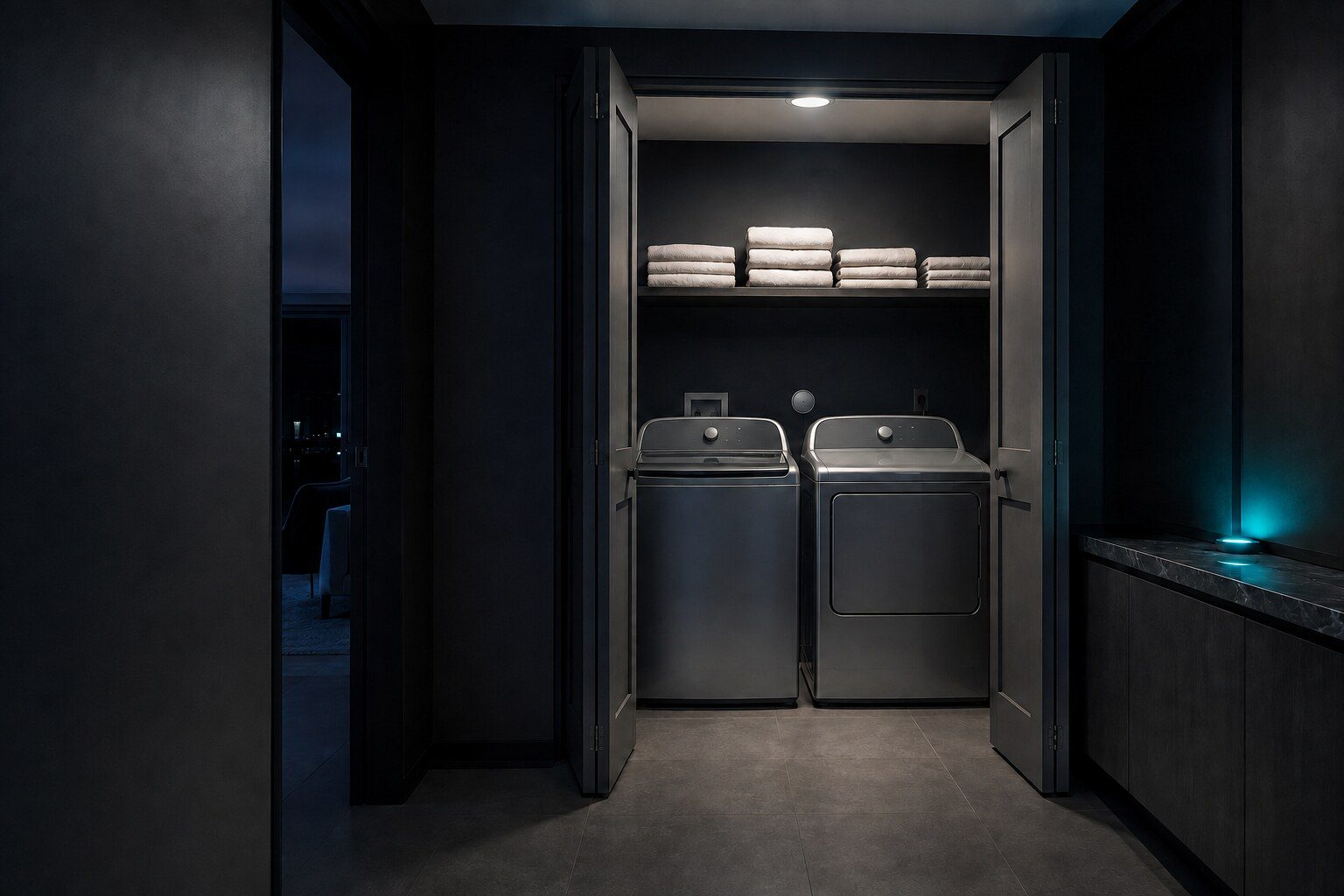
On a heat pump dryer, no. It runs a sealed refrigerant loop, cools the moist air until the water drops out, reheats it and sends it round again. That is why it can go in a closet or an interior laundry room with no exterior wall, which is exactly why so many condominium buildings in this city have them.
Mine takes forever compared with my old dryer.
A heat pump dryer runs at a much lower temperature and takes longer for the same load. That is the trade for the efficiency and for not needing a duct, and it is not a defect. What is a defect is a machine that has got worse — and the usual causes are the second filter, the condenser block and an overloaded drum, in that order.
What does drn mean?
The condensate path. The water the machine pulls out of your clothes has to go somewhere, and when the pump, the tank float or the drain hose cannot take it, the machine stops rather than flooding. Empty the tank if the model has one, check the hose is not kinked or pushed too far down a standpipe, and clean the pump filter where the model has one.
How do I clean the condenser block?
Only if your model has a user-serviceable one — some do and some are sealed, and the manual for your specific machine is the authority. Where it does: open the lower hatch, release the retainers, slide the block out, rinse it under a tap until the water runs through freely, let it drain and put it back the same way round. On a sealed model this is a service visit, not a household job.
Maintenance & Prevention
More guides like this one
-
How Long an LG Refrigerator Water Filter Really Lasts in South Florida
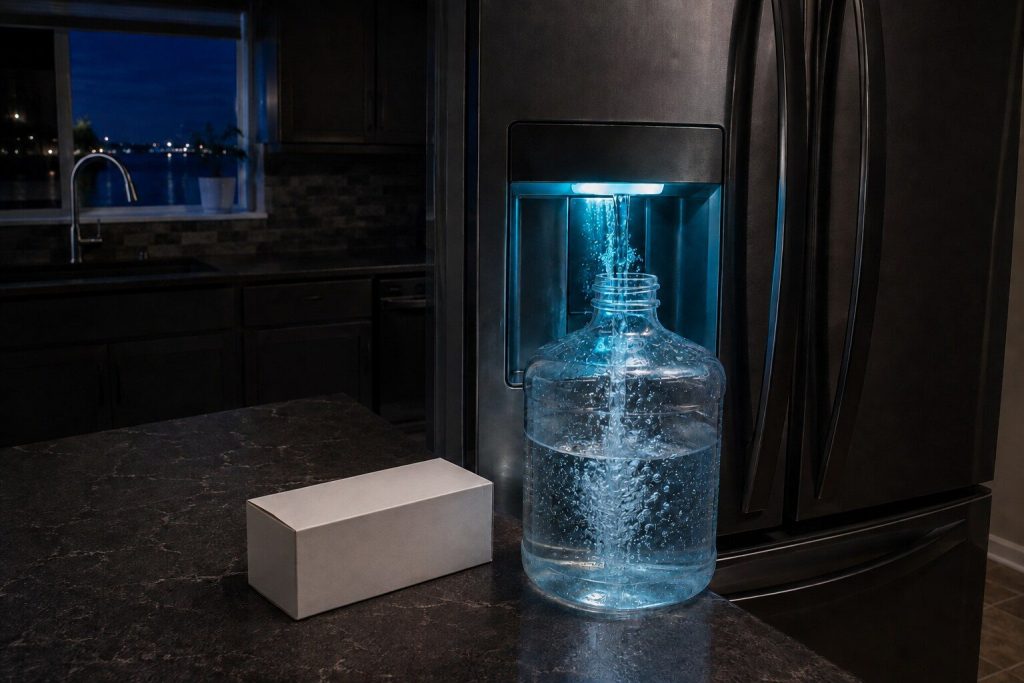
Six months is the label, and the label assumes water that is not this. What actually decides it is hardness, sediment and how much the household draws.
Read more -
How Often an LG Washer Actually Needs Its Drum Cleaned in Florida
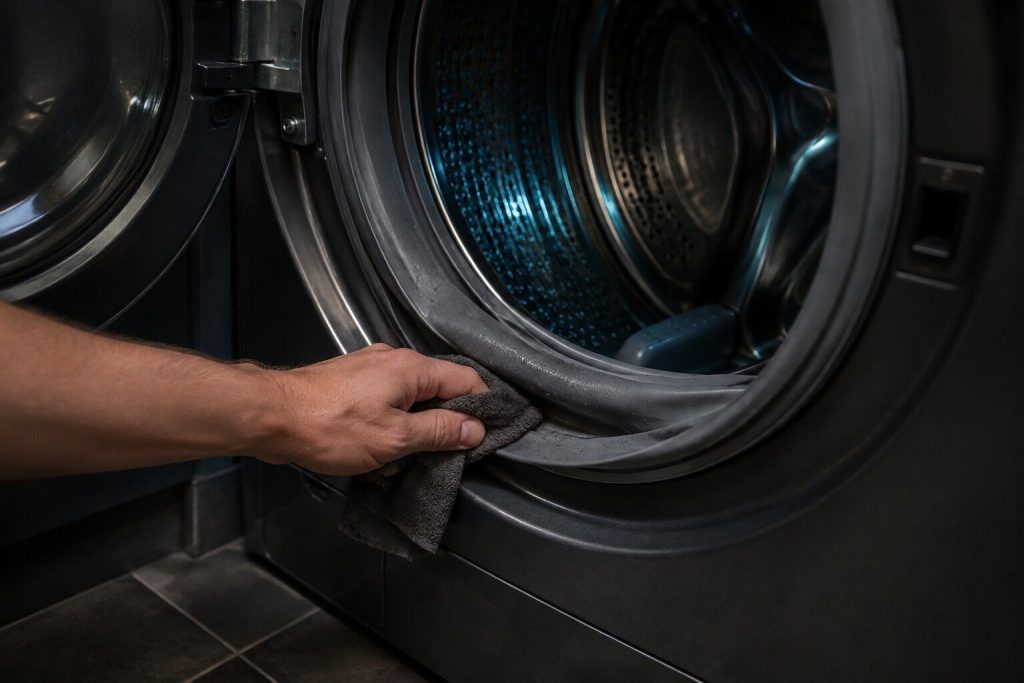
The machine counts loads and asks with tcL. In this climate that request is worth taking seriously rather than dismissing, and the reason is in the gasket fold.
Read more -
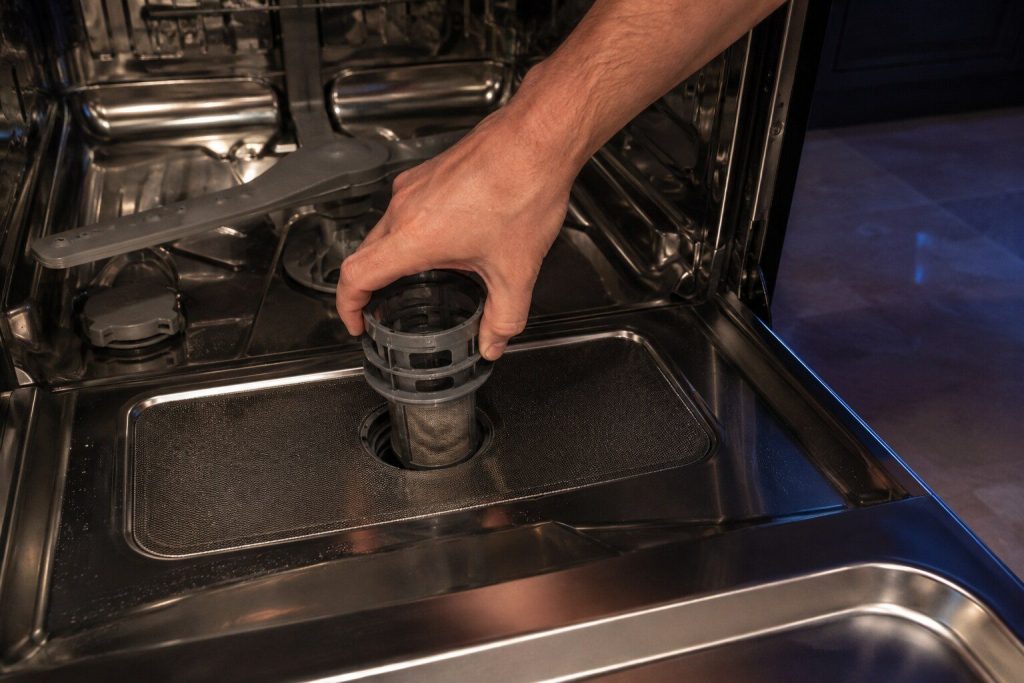
The Dishwasher Filter, and Why It Explains Both of Your Complaints
Poor cleaning and poor draining have one cause in common, and it twists out by hand in about five minutes. Almost nobody does it.
Read more
Tell us the model number and what it is doing.
This article is based on:
- Official manufacturer documentation
- Internal repair procedures
- Technician repair history
- Company quality standards