Common Problems
Water Under the Crisper Drawer, and the Tube Behind It
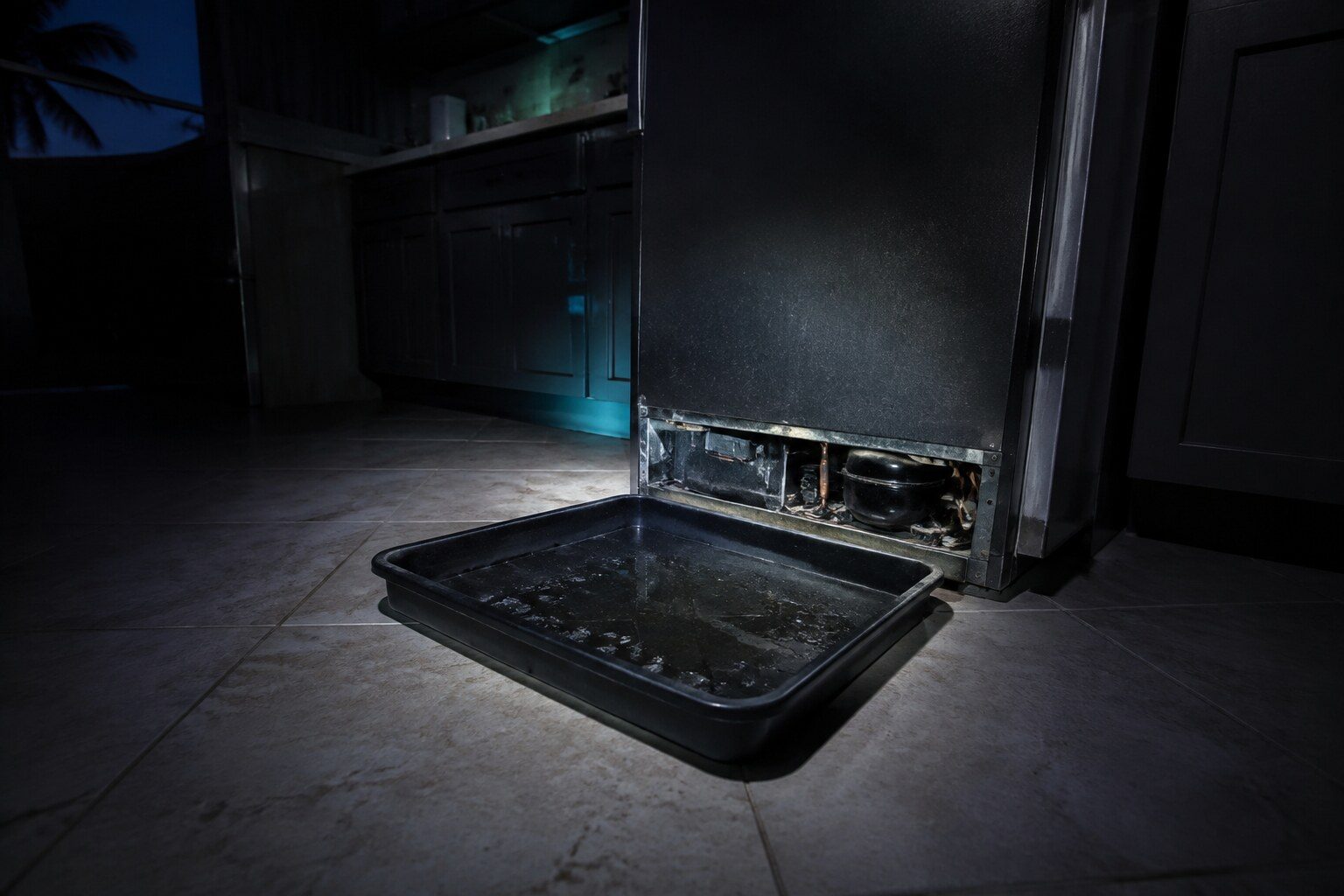
Water under the crisper drawers, or a sheet of ice on the freezer floor that comes back after you clear it, is melt water: the trough under the evaporator has iced over, the water from the next defrost cycle has nowhere to go, and it finds its way forward into the cabinet. Water at the back of the machine or running out under the toe kick is the other system entirely — the supply line that feeds the dispenser and the ice maker, or the shallow drain pan underneath. Water that only appears in the hours after the ice maker has run is the fill valve or the fill tube. Clearing a defrost drain properly means reaching the trough at the bottom of the evaporator rather than pouring hot water in from the top and hoping, and the reason it blocks in the first place is that it is the coldest wet place in the machine in a city where the air is wet nine months a year.
The full guide
Cleaning refrigerator defrost drain tube: two kinds of water, not one
A refrigerator handles a surprising amount of water it never advertises, through two systems that share nothing.
Melt water. Every defrost cycle warms the evaporator and melts the frost off it. That water runs down a trough at the bottom of the coil, along a tube, and into a shallow pan under the machine where heat from the compressor evaporates it. The whole path is inside the cabinet and none of it is plumbed.
Supply water. A plumbed cabinet carries mains water through a shut-off valve, a filter, an inlet solenoid, sometimes a tank, and then out to the dispenser and the ice maker.
Nothing about those two is shared, which is why "it is leaking" is not yet a diagnosis. Where the water is decides which one you have.
Where it is, and what that means
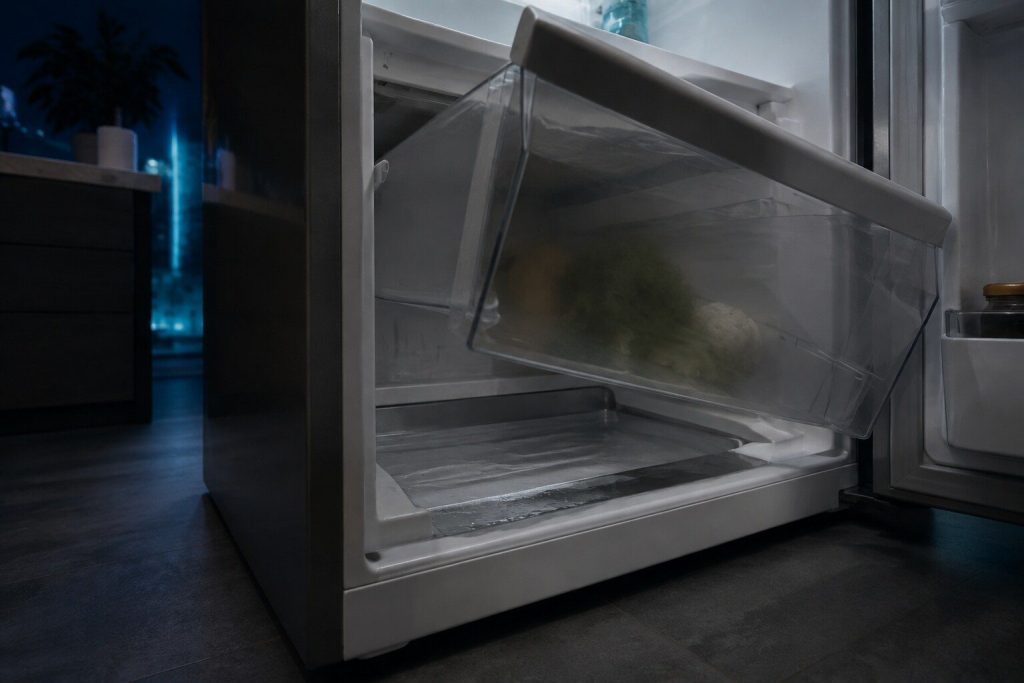
Under the crisper drawers, or pooling at the front of the fresh food compartment. Melt water. The trough under the evaporator has iced, the next defrost had nowhere to send its water, and it came forward into the cabinet instead of down the tube.
A sheet of ice on the floor of the freezer that reforms after you clear it. The same thing, one compartment down, and the least ambiguous version of it there is.
At the back of the machine, or running out under the toe kick. The supply side, or the drain pan. A weeping compression fitting, a saddle valve that has been dripping for a year, or a pan that has cracked.
Only in the hours after the ice maker ran. The fill valve or the fill tube — water going somewhere other than the tray.
Immediately after a filter change. The housing. This is the single most common cause we see that gets blamed on everything else first, because a cartridge a few millimeters proud weeps only when the dispenser is used and nobody connects the two events.
Finding out for certain, in an hour
Dry everything. Put a folded piece of kitchen paper in three places — under the crispers, under the toe kick at the front, and on the floor behind the machine — and come back in an hour. Whichever one is wet is the answer, and it costs nothing.
Why the drain blocks here
The trough under the evaporator is the coldest wet place in the machine. It collects the small debris that gets everywhere in a refrigerator, and in a humid house it collects far more water than the design assumed, because every door opening admits air that is close to saturated.
Once a plug of ice forms in the tube below the trough, the machine is in a loop: each defrost adds water it cannot drain, that water freezes at the blockage, the blockage grows.
Clearing it properly
The visible drain hole at the bottom of the back wall is not usually where the blockage is. Hot water poured down it melts the top inch and refreezes an inch further along, which is why this problem so often "clears" for a fortnight.
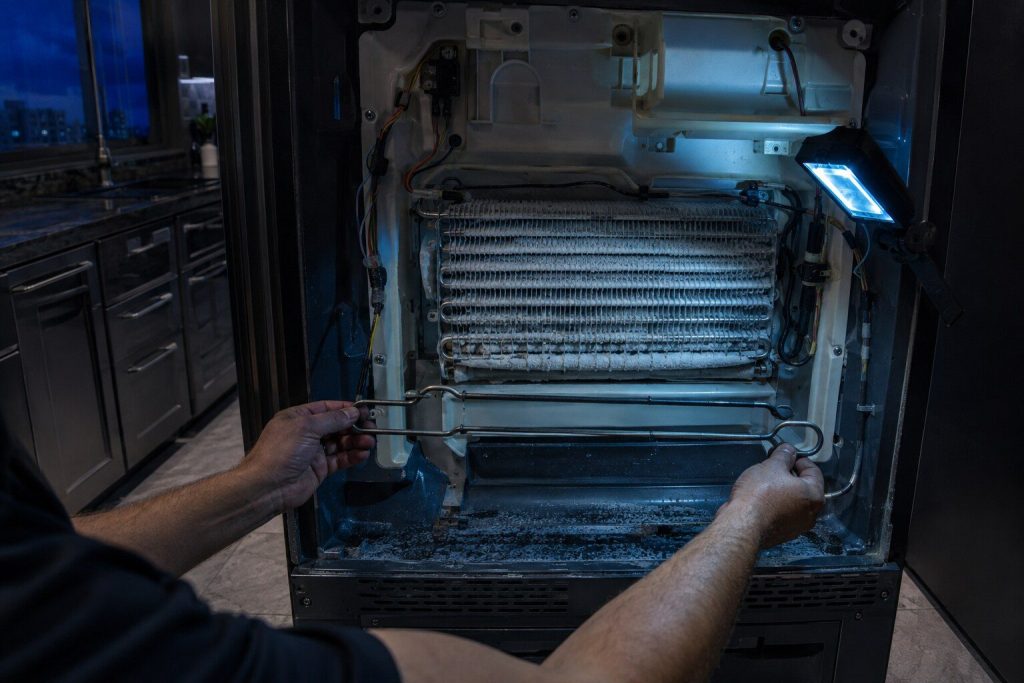
Doing it properly means reaching the trough, which on most cabinets means taking the rear panel of the compartment off, thawing the coil, clearing the trough and the tube, and checking the tube actually discharges into the pan. It also means finding out why it iced — because a drain that blocks once will block again unless the reason has gone.
One thing not to do: nothing metal near the coil. The evaporator is thin-walled aluminum and a screwdriver through it turns a drain repair into a sealed-system repair.
The related problem worth checking at the same time
Frost and a leak usually arrive together, because they have one cause. If the trough has iced, the coil above it usually has too — and a coil sealed in ice is a defrost problem that will start affecting the temperature in the cabinet within weeks.
LG publishes dS for the sensor half of that circuit. The heater has no code at all and is measured. If you have water under the crisper and frost across the back wall of the freezer, that is one visit rather than two, and it is worth saying both things when you call.
If it turns out to be a repair
What this leads to, and what it costs
Every job on this site is priced the same way: an on-site diagnostic first, the figure agreed in writing before anybody starts.
-
Water on the floor, or under the crisper Refrigerator leaking water
Water arrives from two places on this appliance and they are completely different repairs. Melt water that should have gone down a drain and did not, or supply water from the line that feeds the dispenser and the ice maker. Where the puddle is tells you which, and it is worth knowing before anybody is called.
- Under the crisper means the defrost drain, which is often a five-minute clear
- At the back or the toe kick means the supply line or the drain pan
- A leak that only appears after ice is made is the fill valve, not the drain
-
from $145 Refrigerator leak repair
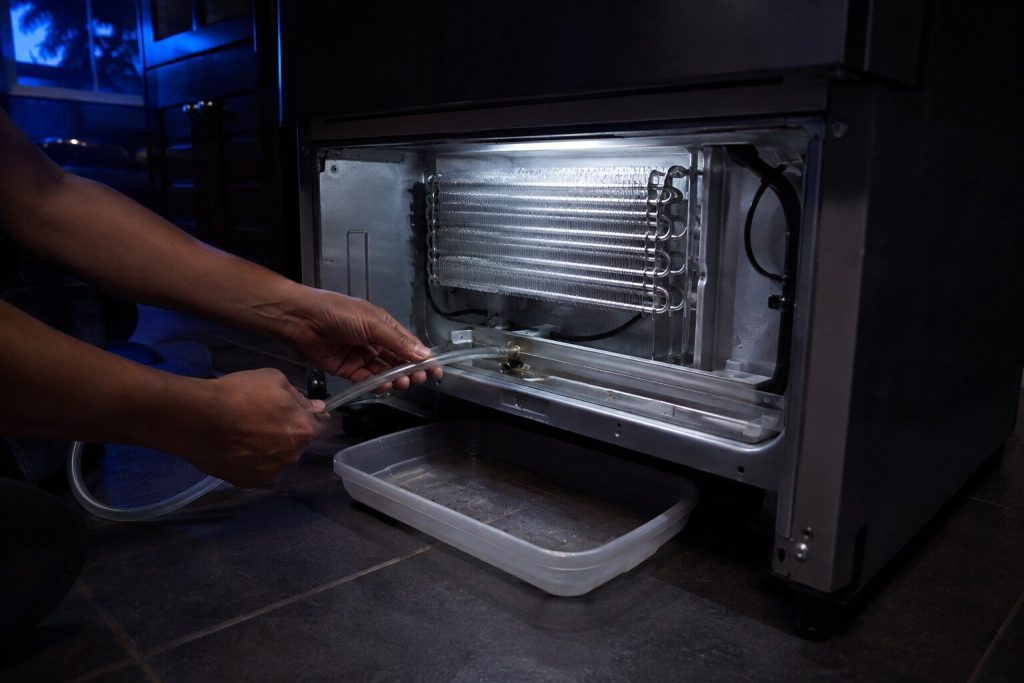
Water arrives from two places on this appliance and they are entirely different repairs. Melt water that should have gone down a drain, or supply water from the line that feeds the dispenser and the ice maker. Where the puddle is decides which, and the diagnosis comes before the quote.
- Under the crisper is the defrost drain; at the back is the supply
- A cracked drain pan leaves a trail rather than a puddle
- A filter housing that was not seated is the cheapest cause and the most missed
-
from $175 Defrost system repair
The slow failure that takes three weeks to show and then takes the whole cabinet. A refrigerator melts its own evaporator clear every few hours; when that stops, ice grows across the airway until the compartment above it can no longer be fed. LG publishes dS for the sensor half of the circuit and the rest is measured.
- Heater, sensor and control — three parts, one circuit
- The cabinet is defrosted properly first, which is time before any part
- Frost on the back wall is this, not the fan and not the gas
Questions people ask about this
Can I just keep mopping it up?
For a day or two. Longer than that and you are letting water sit against a floor and inside a cabinet that was not designed to hold it — and on a wood or laminate floor that is a far more expensive repair than the refrigerator. A blocked drain does not clear itself.
It started right after I changed the water filter.
Then start there. A cartridge that is not turned fully home, or an O-ring that rolled on the way in, weeps slowly — often only when the dispenser is used, which is why the timing gets missed. Take it out and refit it firmly before assuming anything else.
Can I pour hot water down the drain hole to clear it?
It sometimes works and it often just moves the ice. The blockage is usually at the bottom of the trough or in the tube below it, not at the visible hole, so hot water from above melts the top inch and refreezes further down. Clearing it properly means reaching the trough, which usually means taking the back panel of the compartment off.
There is ice on the freezer floor that comes back.
That is a blocked drain with no ambiguity at all. Melt water that cannot leave collects at the lowest point it can reach and freezes there between cycles. Chipping it out gives you a week. Clearing the drain gives you the machine back.
Common Problems
More guides like this one
-
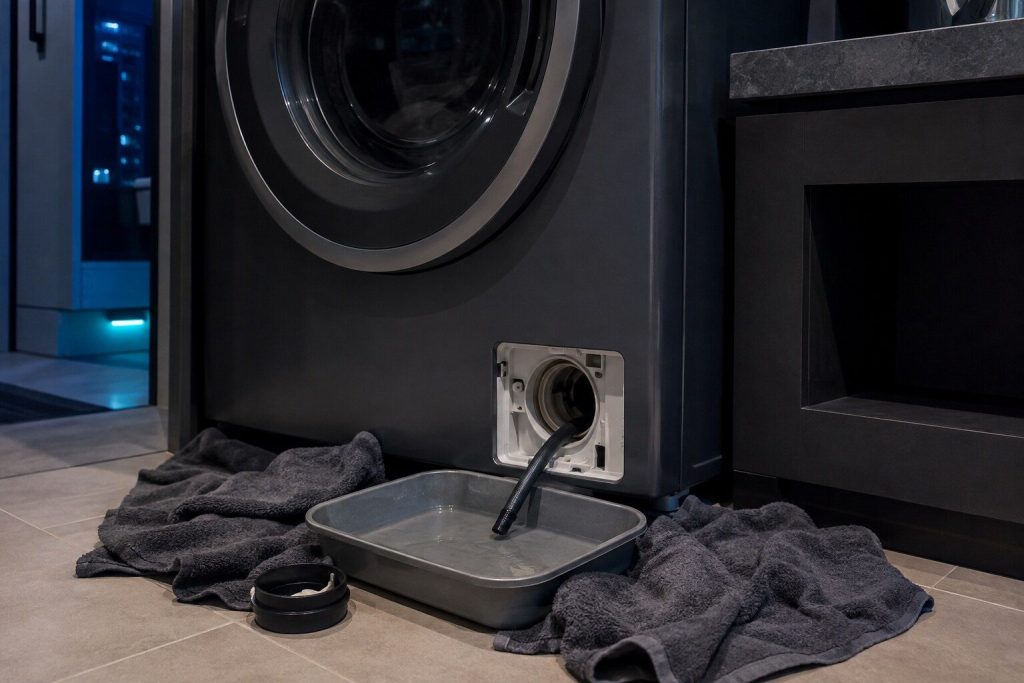
A Washer Stopped Full of Water: The Filter Nobody Opens
There is a filter behind a small door at the bottom of your washer, it is designed to be opened by you, and what comes out of it is usually the whole explanation.
Read more -
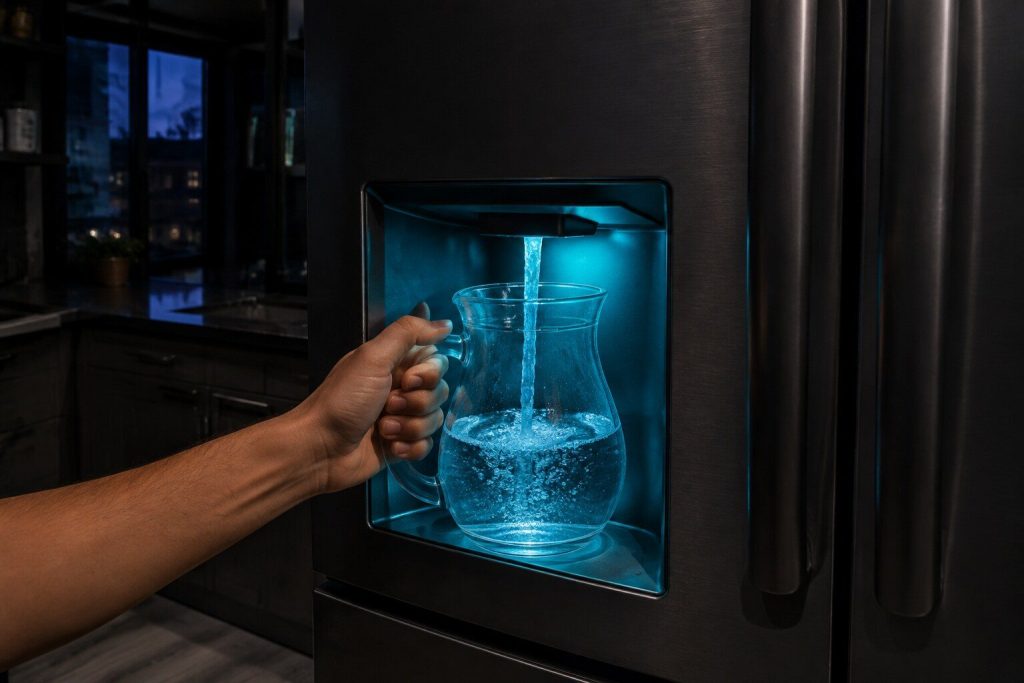
No Ice, But the Water Dispenser Works: What That Narrows It To
One ten-second test splits this problem in half, because ice and water share a supply and part company inside the door.
Read more -
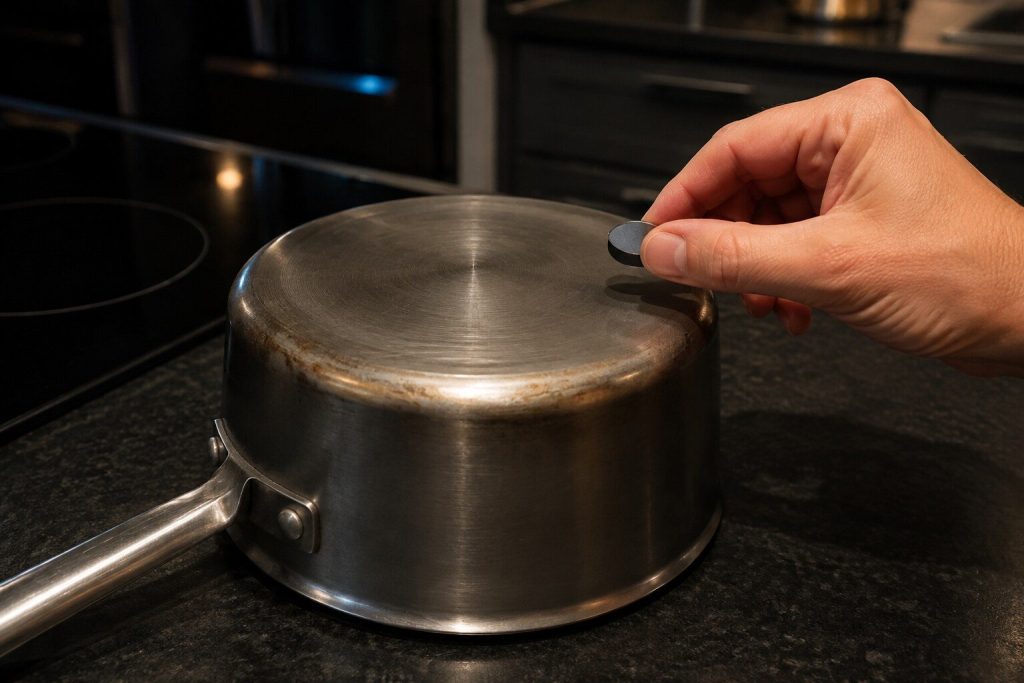
One Burner Dead and the Rest Fine: Gas, Radiant and Induction
One zone or all of them is the whole first question. After that the answer depends entirely on which of three technologies is under the glass.
Read more
Tell us the model number and what it is doing.
This article is based on:
- Official manufacturer documentation
- Internal repair procedures
- Technician repair history
- Company quality standards