Common Problems
One Burner Dead and the Rest Fine: Gas, Radiant and Induction
Resetting an LG cooktop is a power cycle rather than a button: press Power ON/OFF, and if the condition returns, switch the breaker for the appliance off for thirty seconds and back on. That clears a genuine glitch and it also clears the commonest non-failure on a touch cooktop, which is water or a metal object sitting on the control panel — LG documents that as a condition in its own right. As for one dead zone, the first question is how many. One zone out of four rules out everything shared: the supply, the main board and the controls are all evidently working. What it points at then depends on the technology. On induction there is no element at all, so it is the coil, its temperature sensor or the section of board driving it, and F33 and F34 are LG's front burner sensor codes. On radiant it is the element or the connector under it, both of which are measurable. On gas it is the igniter, a burner cap seated crooked, or a blocked port — and cleaning fixes more of those than parts do.
The full guide
How to reset LG cooktop, and what one dead zone rules out
There is no reset button. The reset is a power cycle, and it has two levels.
Press the Power ON/OFF key first. If the condition comes back, go to the breaker panel, switch the cooktop's breaker off for thirty seconds, and switch it back on. Thirty seconds rather than three, because the board needs time to discharge properly.
Before you do either, take everything off the glass and dry the panel completely, including the edges. LG documents a condition where metal objects or water in prolonged contact with the touch controls produce an error — a wet cloth folded over the panel while cleaning, a pan lid resting on the front, or a spill that has crept under the glass edge will all do it. A capacitive panel reads anything conductive as a finger that never lifts.
One zone, or all of them
That is the whole first question, and it is worth answering before anything else.
One zone out of four is the good version. It rules out everything the zones share — the supply, the main board and the control panel are all evidently working, because the other three respond. What is left is that zone.
All of them at once points somewhere shared. On an electric range, check whether the oven still heats: both run from the same 240-volt feed, and an oven that works alongside a dead cooktop rules out the supply immediately.
Then: which technology is under the glass?
This matters more than anything else on the page, and a surprising number of people are not sure. Boil a pan of water and touch the glass beside it. Induction heats the pan and leaves the surrounding glass barely warm. Radiant heats the glass red and the glass heats the pan. They look nearly identical installed and they fail completely differently.
Induction
There is no element to burn out. Each zone has a wound coil, a temperature sensor underneath it, and a section of the inverter board that drives it — which is why a single dead zone is the affordable version of this problem and several at once usually is not.
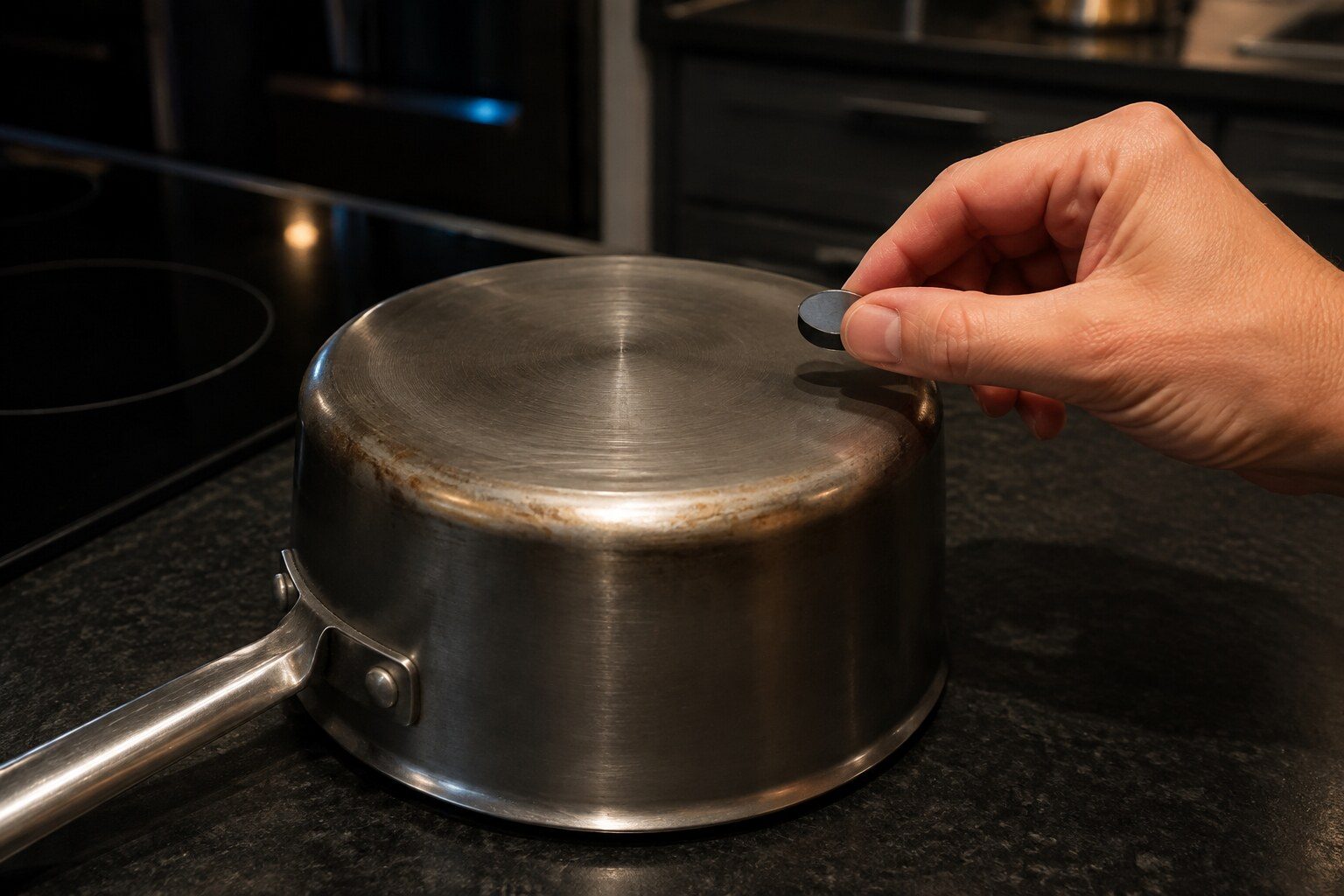
Before anything else, try a different pan. A pan that is not ferrous will not heat, and nothing is broken. It happens more often than people admit, particularly after somebody has bought a new set. If a magnet does not stick firmly to the base, the cooktop is not going to work with it.
LG publishes F33 and F34 for the front induction burner temperature sensors — codes that exist on nothing else in its range. Worth checking too: the ventilation in the cabinet underneath. Induction electronics need airflow down there, and a blocked vent path produces shutdowns that look exactly like failures.
Radiant
The element sits under the glass and fails open, which is measurable. The half people forget is the connector underneath it: it corrodes, it burns, and a new element fitted onto a burnt connector fails early. Both are replaced together on a proper repair.
A zone that acknowledges the touch — lights up, responds to the setting — and does not heat is different from one that does nothing at all, and it is worth saying which yours does when you call.
Gas
Cleaning fixes more dead gas burners than parts do, and it is free.
Take the burner cap off. It has to sit flat and square on its base — a cap a millimeter out of position will spark forever without lighting. Look at the ring of small ports around the burner: anything that boiled over goes into those, and a pin and a brush clear them. Dry everything thoroughly before reassembling, because in this climate moisture left in the assembly after a clean is a real and common cause.
If the burner still will not light after that, the igniter or the spark module is next, and swapping the cap with a working burner is a free test — if the problem follows the cap, you have your answer.
What is not a failure
H5 on the display is the hot surface indicator. LG's own list says it plainly: the glass is above 150°F and this is not an error. It clears on its own.
A locked panel looks like a dead cooktop. Hold the control lock keys for three seconds and listen for the chime.
Both of those get called in as breakdowns, which is why they are here rather than buried further down.
If it turns out to be a repair
What this leads to, and what it costs
Every job on this site is priced the same way: an on-site diagnostic first, the figure agreed in writing before anybody starts.
-
Cooktop burner not working
One burner out of four is the good version of this problem, because it usually rules out everything shared — the supply, the board, the controls. What it points at depends entirely on the kind of top, and LG sells three: induction, radiant electric and gas.
- One zone dead is better news than several: the shared parts are fine
- Induction has coils and sensors rather than elements — F33 and F34 are its codes
- On gas, cleaning the cap and ports fixes more of these than parts do
-
Cooktop error code F3
LG cooktop error code F3: Capacitive touch controls read a change in the panel, and anything conductive sitting on them reads as a finger that never lifts. Every spelling LG publishes for it, which machines can raise it, and what to do next.
What this one means -
Induction cooktop repair
An induction top has no element to fail. It has a coil per zone, a temperature sensor under each, and an inverter board driving them — which is why a single dead zone is the good version of this problem and several at once is not. F33 and F34 are LG's front burner sensor codes and they exist on nothing else in the range.
- One zone dead is a coil or a sensor; several is the board
- F33 and F34 are induction-only codes
- The glass comes up, and the parts underneath are dearer than radiant
Questions people ask about this
It clicks constantly and will not light.
Spark is arriving and gas is not, or the machine cannot see a flame. Nine times out of ten it is a wet or crooked burner cap — in this climate, moisture left in the assembly after cleaning is a genuine cause. Take the cap off, dry everything, clear the ports with a pin, and seat it squarely.
How do I tell induction from radiant?
Boil a pan of water and touch the glass beside it. Induction heats the pan and leaves the surrounding glass barely warm; radiant heats the glass and the glass heats the pan. They look nearly identical installed and they behave nothing alike, which changes every question after this one.
The whole cooktop stopped at once.
Then it is something shared, and the list is short: the supply, the main board, or the touch control. On an electric range it is worth checking whether the oven still works, because both run from the same 240-volt feed and that answers half the question immediately.
What is H5 on the display?
The hot surface indicator, and LG's own list says plainly that it is not an error code. It means the glass is above 150°F and it clears itself as the surface cools. The only version worth acting on is an H5 that stays lit on a cooktop that is cold to the touch, which means the sensor rather than the surface.
Common Problems
More guides like this one
-
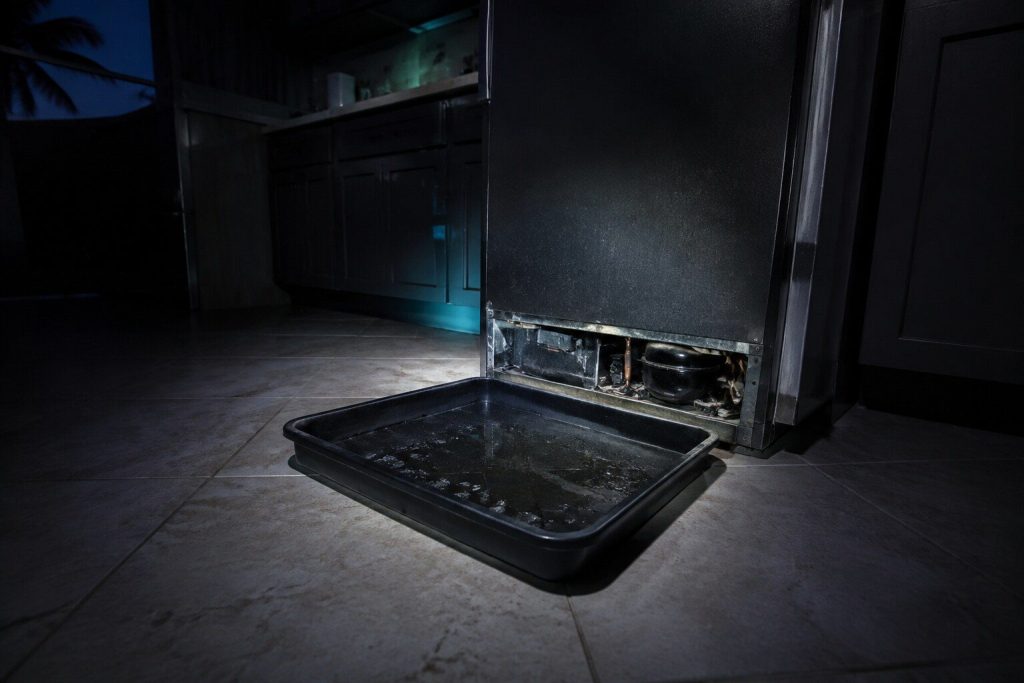
Water Under the Crisper Drawer, and the Tube Behind It
A refrigerator handles two entirely separate kinds of water, and where the puddle is decides which one you have before anybody is called.
Read more -
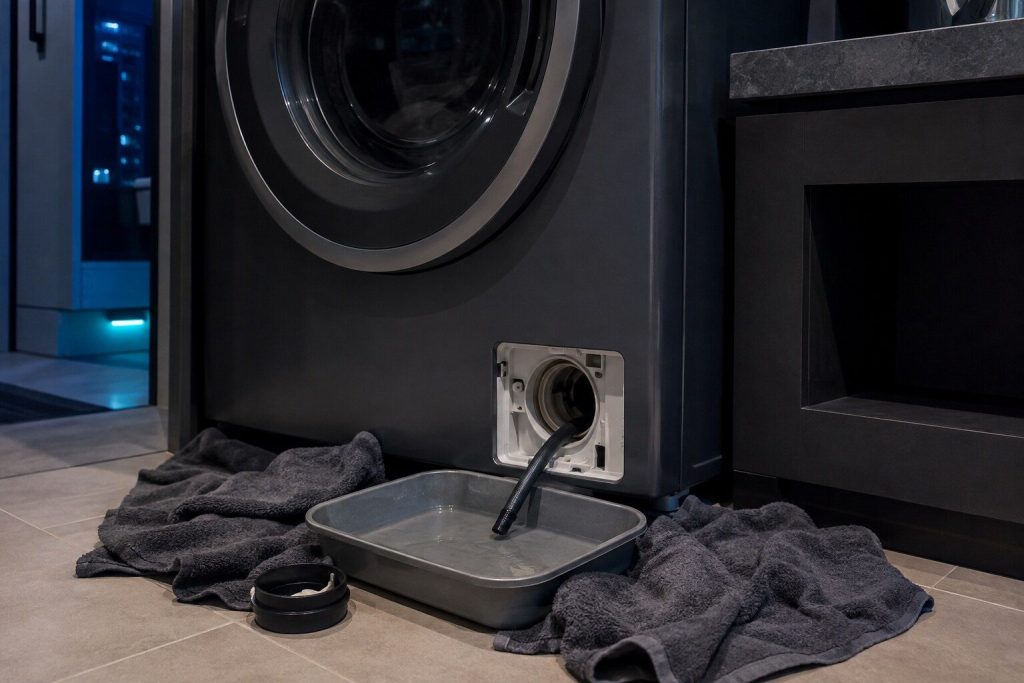
A Washer Stopped Full of Water: The Filter Nobody Opens
There is a filter behind a small door at the bottom of your washer, it is designed to be opened by you, and what comes out of it is usually the whole explanation.
Read more -
No Ice, But the Water Dispenser Works: What That Narrows It To
One ten-second test splits this problem in half, because ice and water share a supply and part company inside the door.
Read more
Tell us the model number and what it is doing.
This article is based on:
- Official manufacturer documentation
- Internal repair procedures
- Technician repair history
- Company quality standards