Maintenance & Prevention
How Often an LG Washer Actually Needs Its Drum Cleaned in Florida
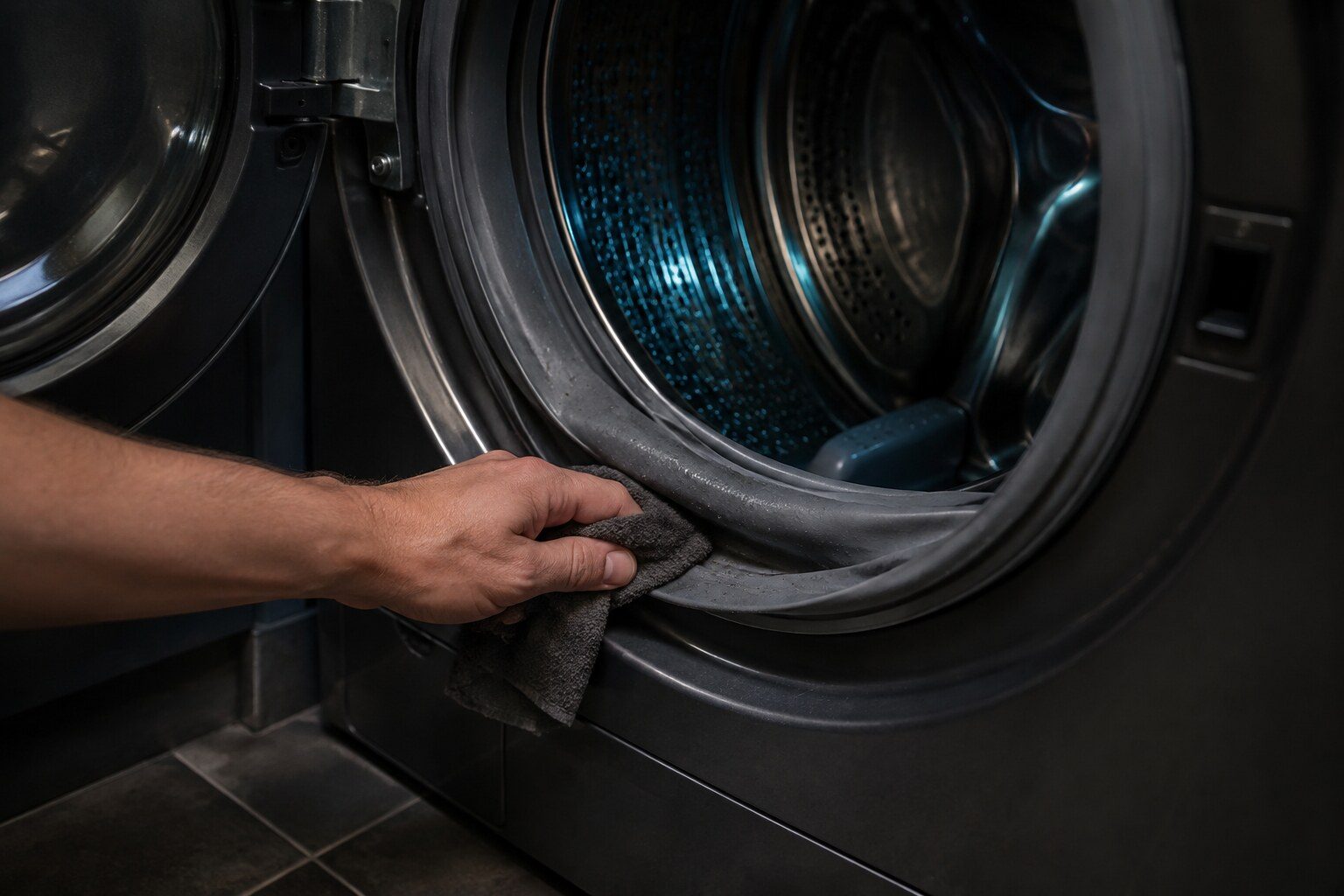
The machine keeps a count of cycles and shows tcL when it reaches the number, which on most LG washers works out at roughly every thirty loads — call it monthly for an average household. In South Florida that interval is a floor rather than a target, because a front loader in a humid house grows a biofilm in the door gasket fold and under the detergent drawer far faster than the same machine would in a dry climate, and the smell that follows arrives in clean laundry. The cycle itself takes one to two hours, runs hot, and needs an empty drum: no laundry at all, not even one towel, because anything in there absorbs what the cycle is trying to flush out. Add a tub cleaner or a measured amount of bleach — LG's own guidance for the small SideKick drum is a quarter cup diluted in a quart of water — and afterwards wipe the gasket fold by hand, which the cycle cannot reach.
The full guide
How often should I tub clean my LG washer
The machine has an opinion and it is a reasonable one. LG washers count cycles and display tcL when the count reaches its threshold — in practice roughly every thirty loads, which is about monthly for an average household.
In South Florida, treat that as a floor rather than a target.
Why this climate changes the number
A front-loading washing machine has two design features that make it excellent at washing and vulnerable to smelling.
It uses very little water compared to an old top loader, which is the point — but it also means detergent residue is more concentrated and less of it gets flushed away.
And it seals with a rubber boot gasket that has a fold in it. That fold sits at the bottom of the door opening, it holds a little water after every wash, and the air in there never moves.
In a dry climate that combination is survivable. In a house where the ambient humidity sits high nine months of the year, and the laundry room is often the least ventilated space in the building, the biofilm that grows in that fold is a matter of weeks rather than seasons. What follows is a machine that smells faintly of a pond, and then laundry that comes out of a clean machine smelling of it too.
What the cycle actually does, and what it cannot
The tub clean cycle runs hot and long — one to two hours — and flushes the drum, the sump and the pump housing with far more water than a normal wash.
The drum must be completely empty. No laundry at all, not even one towel. Anything absorbent in there soaks up the residue the cycle is trying to remove, and it runs hotter than a normal wash, which is hard on fabric.
Add a cleaner. A tub cleaner tablet, or bleach. LG publishes a dose for its small SideKick pedestal drum — a quarter cup of bleach diluted in a quart of water — which is worth scaling sensibly rather than simply pouring more into a full-size machine.
What it cannot reach is the gasket fold. The cycle flushes the drum; the fold is outside it. That part is done by hand, with a cloth, by rolling the rubber lip back and wiping the underside of it. That is where the smell actually lives, and it is why people run three tub cleans and conclude the cycle does not work.
The habit that matters more than the cycle
Leave the door ajar between washes, and pull the detergent drawer out an inch.
Biofilm needs moisture. A drum and a gasket that dry out between loads do not grow one, and no amount of cleaning cycles substitutes for that. If you do one thing from this page, do this one.
In a household with small children, a washer door left open is a hazard worth weighing against the benefit — but where it is safe, it is the single most useful habit for a front loader in this city.
While you are there
Two other things live in the same maintenance visit and neither takes long.
The drain pump filter, behind a small hatch at the bottom front. Two or three times a year in an ordinary household. What comes out of it is often the reason a machine has started draining slowly.
The detergent drawer. It lifts out on most models. The residue that builds up in the back of the housing is the second most common source of a laundry smell after the gasket.
And a word about detergent
Most people use about twice what they should. A high-efficiency machine uses a fraction of the water an old one did and needs a fraction of the soap — and excess detergent does not rinse away, it accumulates, which is what feeds the problem this whole page is about.
If the machine has started showing Sud and adding rinse time to its cycles, that is not a failure. It is the washer telling you the same thing.
If it turns out to be a repair
What this leads to, and what it costs
Every job on this site is priced the same way: an on-site diagnostic first, the figure agreed in writing before anybody starts.
-
Washer: Tub clean reminder
LG washer — reported by blinking lights rather than by a code. The washer keeps a count of cycles and asks for a tub clean when it reaches the number.
What the lights are telling you -
Washer will not drain
A front loader stopped full of water is the laundry equivalent of the dishwasher call, and it has the same shape: a filter almost nobody knows about, a hose that gets crushed, and a pump that is usually innocent. LG's own troubleshooting order is the right one and it is worth following before booking anything.
- There is a pump filter behind a small door at the bottom front
- OE, E03 and E21 are the same condition under three names
- Put a tray down first — there is more water behind that filter than people expect
-
Appliance maintenance
The visit that stops the other visits. Most of what fails on an LG in this city fails because of something that could have been cleaned: a condenser packed with dust, a dishwasher filter nobody has taken out, a dryer duct that has been closing for three years. None of it is glamorous and all of it is cheaper than the repair it prevents.
- Condenser, filters, seals, drains and levels on whatever you have
- Written findings, so you know what is aging before it fails
- Priced on time rather than per appliance

Questions people ask about this
Can I put laundry in during a tub clean?
No, and it defeats the point. The cycle is flushing residue and biofilm out of the drum and the sump, and anything absorbent in there soaks it up and holds onto it. It also runs hotter than a normal wash, which is hard on fabric. Empty means empty.
Bleach or a tub cleaner tablet?
Either works. Bleach is cheaper and LG publishes a dose for its small SideKick drum — a quarter cup diluted in a quart of water — so scale sensibly for a full-size machine and do not simply pour more. Tablets are tidier and harder to overdo. What matters more than the choice is doing it at all.
Why does my front loader smell and my old top loader never did?
Two reasons and both are design rather than defect. A front loader uses far less water, so residue is more concentrated and less is flushed away. And it seals with a rubber boot gasket that has a fold in it, which holds water at the bottom of the door where the air never moves. A top loader has neither.
Does leaving the door open really help?
More than anything else on this page. The biofilm needs moisture, and a drum that dries between washes does not grow one. Leave the door ajar and pull the detergent drawer out an inch. In a house with small children a door left open is a hazard worth weighing, but where it is safe it is the single best habit for a front loader in this city.
Maintenance & Prevention
More guides like this one
-
A Dryer With No Vent: The Maintenance Nobody Told You About
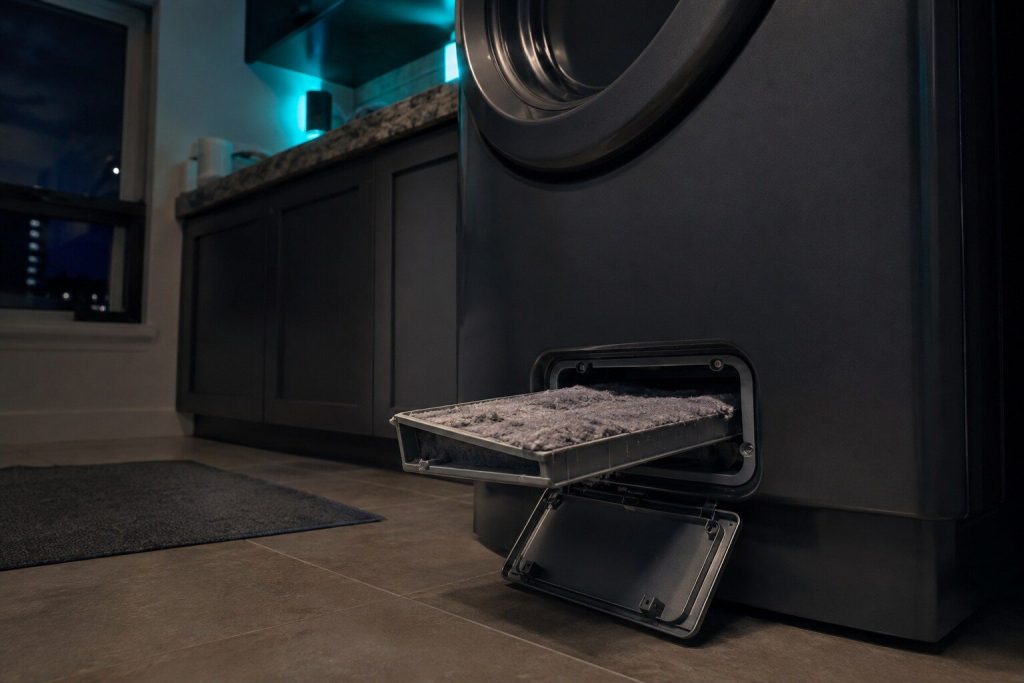
A heat pump dryer has no duct, two lint filters instead of one, a condenser block that slides out and a water path that stops the machine when it blocks. None of that is optional.
Read more -
How Long an LG Refrigerator Water Filter Really Lasts in South Florida
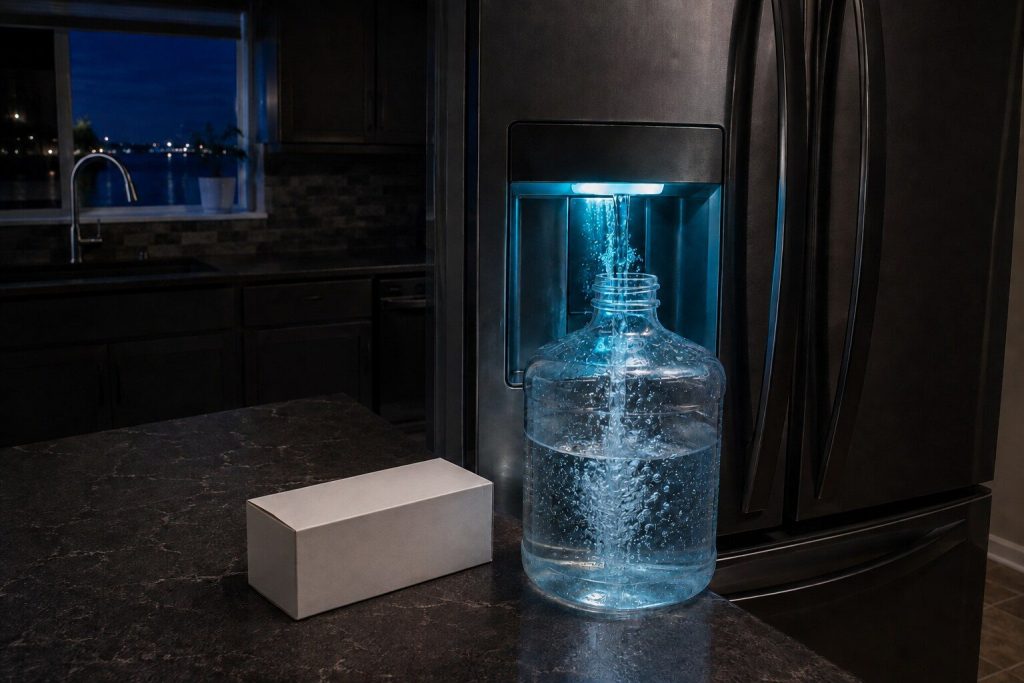
Six months is the label, and the label assumes water that is not this. What actually decides it is hardness, sediment and how much the household draws.
Read more -
The Dishwasher Filter, and Why It Explains Both of Your Complaints
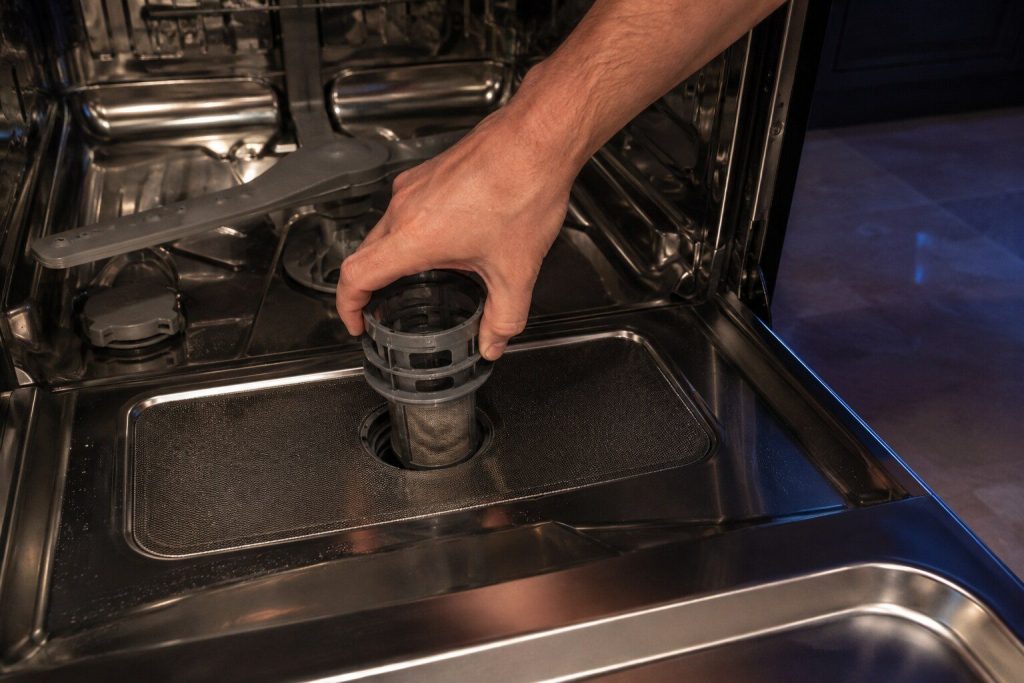
Poor cleaning and poor draining have one cause in common, and it twists out by hand in about five minutes. Almost nobody does it.
Read more
Tell us the model number and what it is doing.
This article is based on:
- Official manufacturer documentation
- Internal repair procedures
- Technician repair history
- Company quality standards