Appliance
LG wall ovens
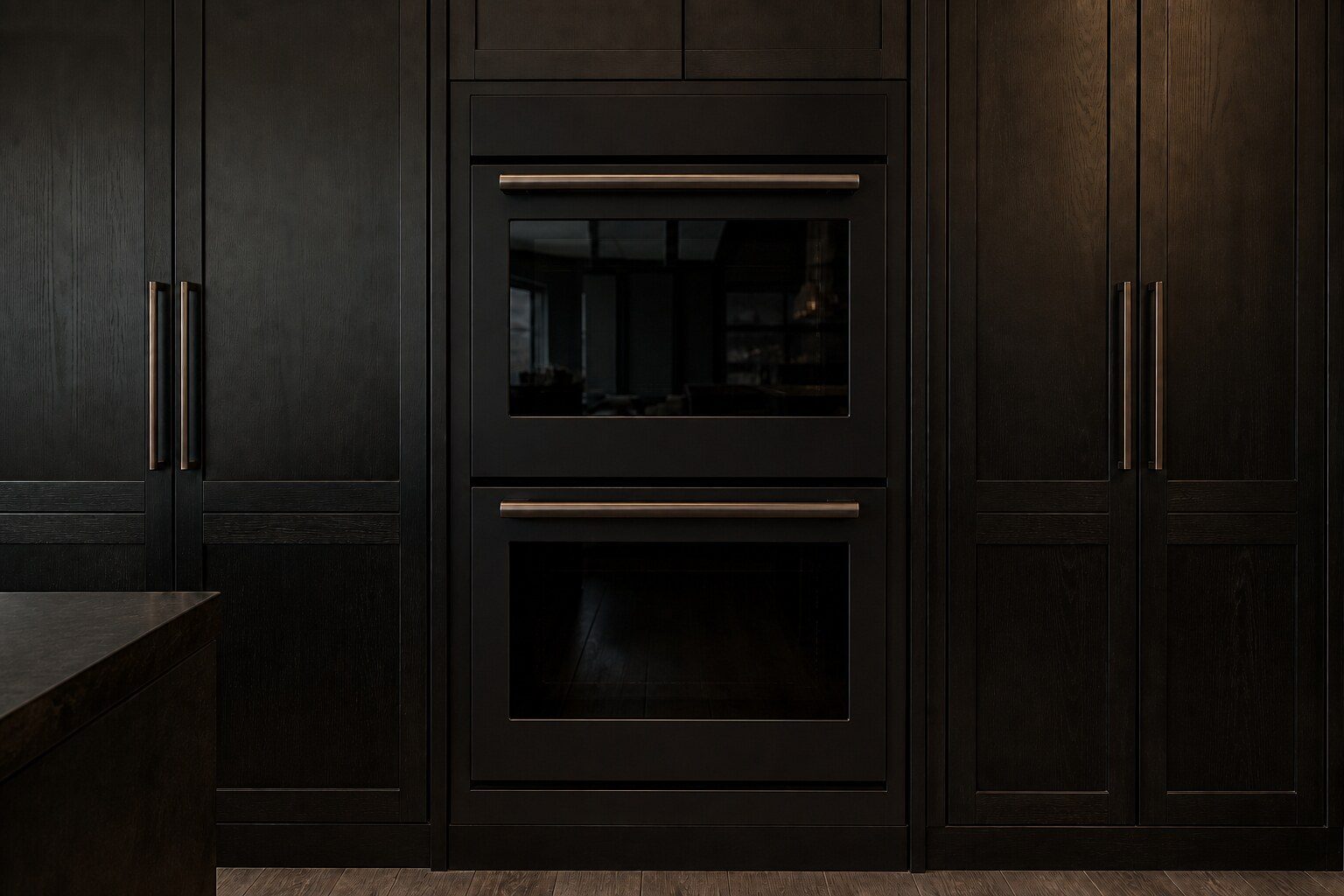
The built-in half of LG's cooking line: single wall ovens, double stacks, and the combination cabinets with a microwave above and a full oven below, with LG STUDIO carrying the higher-finish versions. They share their control board and their failure codes with the ranges, which is genuinely useful — the F-numbers say which cavity, so on a double oven the code tells you whether the top or the bottom is the problem before anybody opens anything.
- 2 symptoms we are called out to
- From $95 diagnostic, credited to the repair
- 59 cities and neighborhoods covered
- OEM parts available on order
The short version
What this equipment is, for a repair
Configurations
Single · double · combination microwave wall ovens · LG STUDIO
Access
Planned before the visit, not discovered on arrival
Parts
OEM, available on order
Diagnostic
From $95, credited to the repair
What goes wrong with it
Symptoms we are called out to on LG wall ovens
Each one covers the likely causes in the order they are worth checking, and what to do in five minutes before booking anything.
-
It lights up, it counts down, and it stays cold Oven not heating
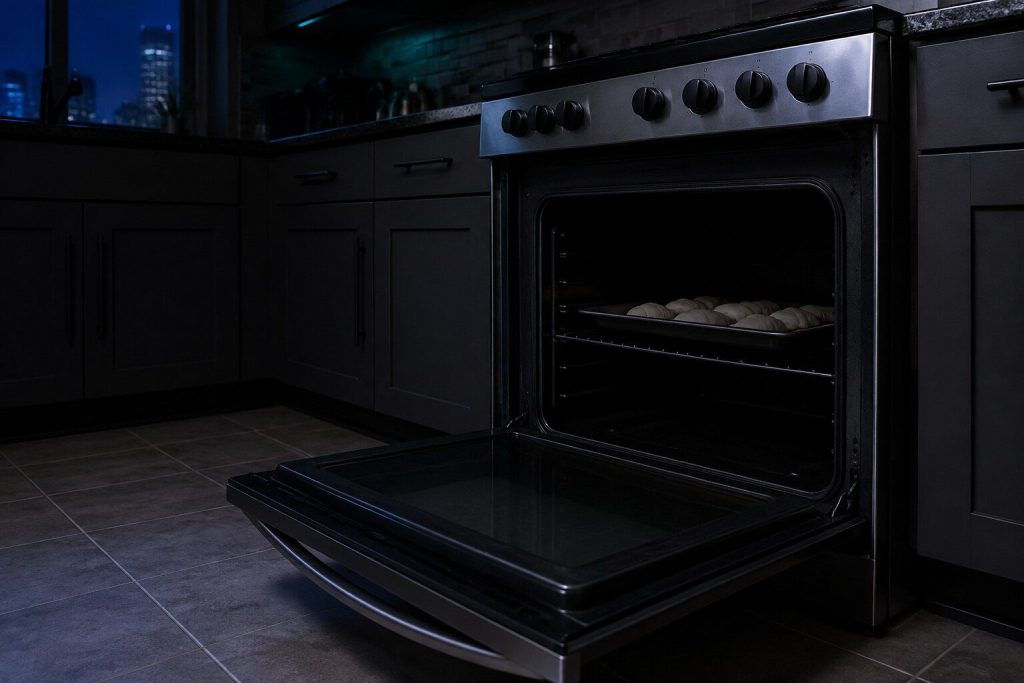
An oven that will not heat divides cleanly on this make, because LG tells you which half you are in. A code means the machine has found something and named it. No code at all means the oven believes it is heating, which points somewhere different — at the element, the igniter, or the supply.
- The F number names the cavity: F1 and F2 upper, F4 and F5 lower
- On electric, look at the bake element cold — a break is often visible
- On gas, an igniter that glows and never lights is the classic failure
-
It says 350 and it is not 350 Oven temperature is wrong
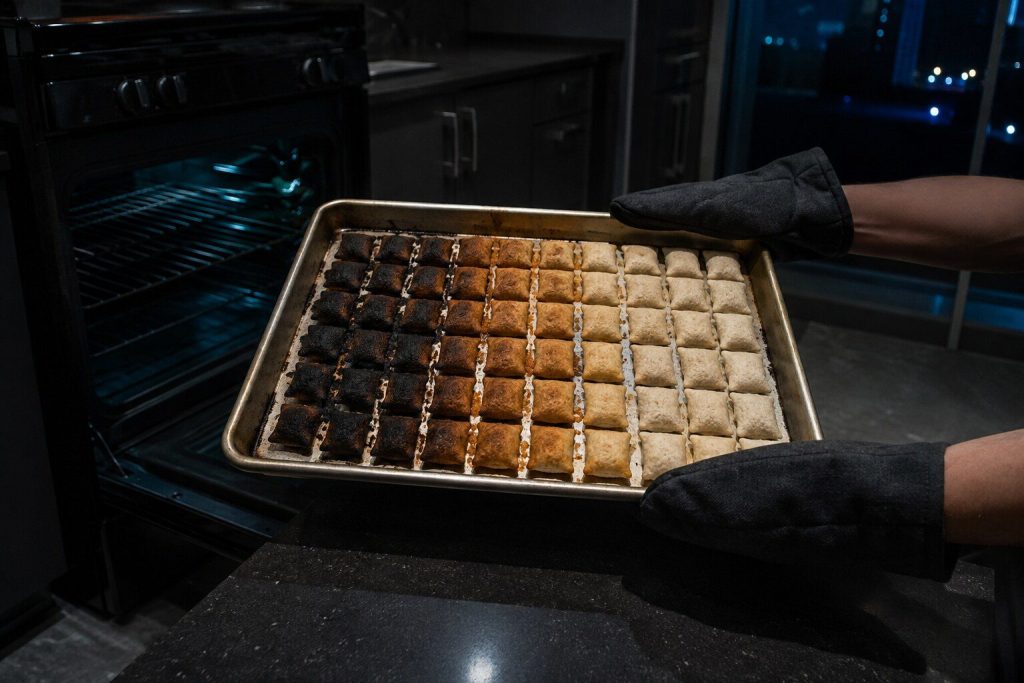
There are three quite different things behind this and they need different answers: an oven that is out by a consistent amount, an oven that swings, and an oven that is fine but is being judged by a thermometer that is not. Establishing which one you have is most of the job.
- Consistently out is calibration; swinging is the sensor
- Measure at the middle shelf, not at the door and not by eye
- Most of these can be offset from the panel without any parts
What we do on it
Repairs we carry out on LG wall ovens
Starting figures for this equipment in South Florida. The exact cost is confirmed after an on-site diagnostic — and this is not the whole list of what can go wrong, so call if your problem is not here.
-
from $95 Diagnostic visit
One visit, one technician, one answer in writing. On this make the diagnostic starts with something most makes cannot offer: the appliance usually has something to say. LG publishes code lists for its refrigerators, dishwashers, washers, dryers and ranges, and on the machines with no display it publishes what the blinking lights mean instead. Reading that properly is half the job and it costs nothing to do.
- The model number and whatever the appliance is reporting, read before anything is opened
- Blinking-light patterns included, because LG documents them and that makes them codes
- Written findings and a from-price before any part is ordered
-
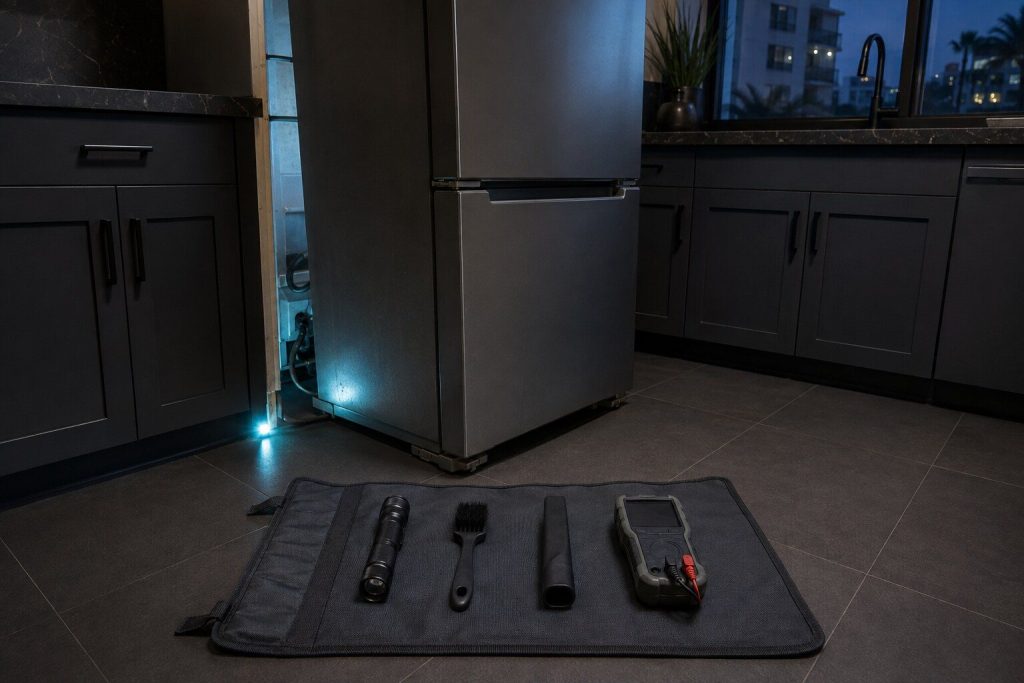
from $125 Appliance maintenance
The visit that stops the other visits. Most of what fails on an LG in this city fails because of something that could have been cleaned: a condenser packed with dust, a dishwasher filter nobody has taken out, a dryer duct that has been closing for three years. None of it is glamorous and all of it is cheaper than the repair it prevents.
- Condenser, filters, seals, drains and levels on whatever you have
- Written findings, so you know what is aging before it fails
- Priced on time rather than per appliance
-
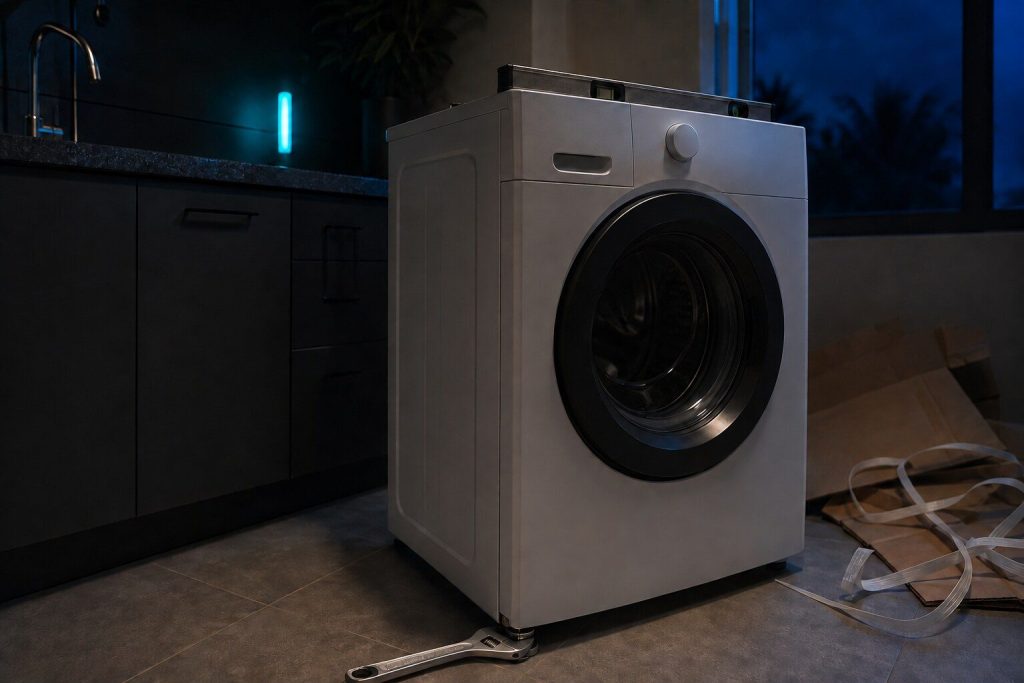
from $145 Appliance installation
Delivery is not installation. A machine that has been put in place is level, connected, tested, and standing with the clearances its manufacturer specifies — and on LG's ventless laundry and its built-in cooking there are specifics that get missed often enough to be worth naming.
- Leveled and tested, not just connected and left
- Clearances checked, because a built-in with no vent path fails in August
- Gas connections leak-tested and documented
-
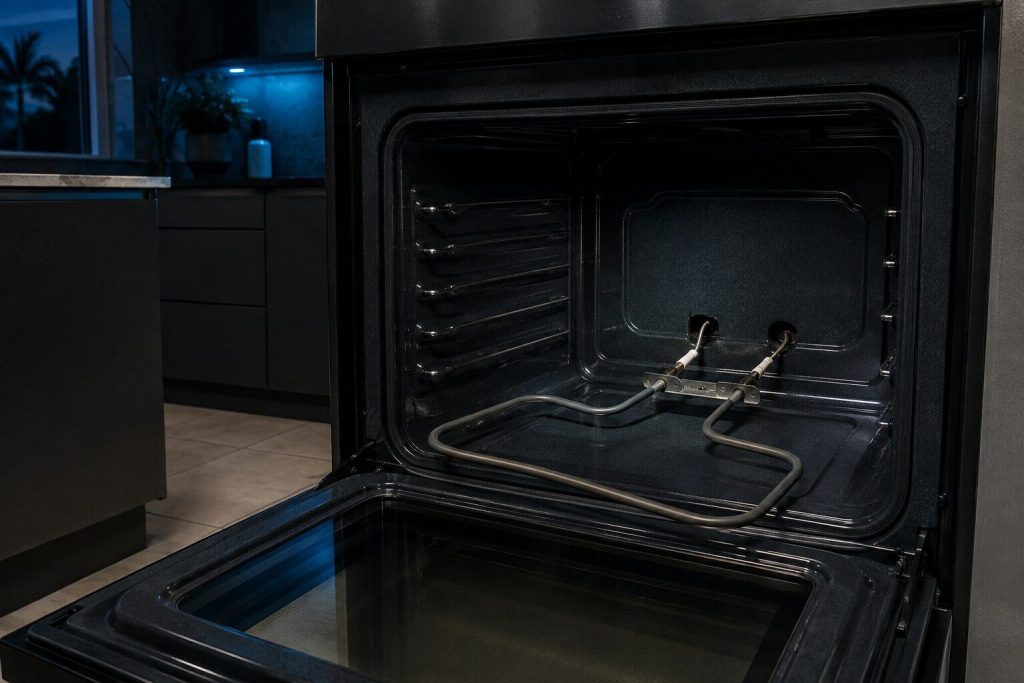
from $175 Oven element replacement
Bake or broil, and on an electric oven the failure is often visible from the doorway: a blistered, split or broken loop. The part is straightforward and the terminals behind the rear wall are the fussy half.
- Often diagnosable by eye before anything is opened
- F6, F9 and F19 are LG's heating codes
- The terminals behind the cavity wall are the real work
-
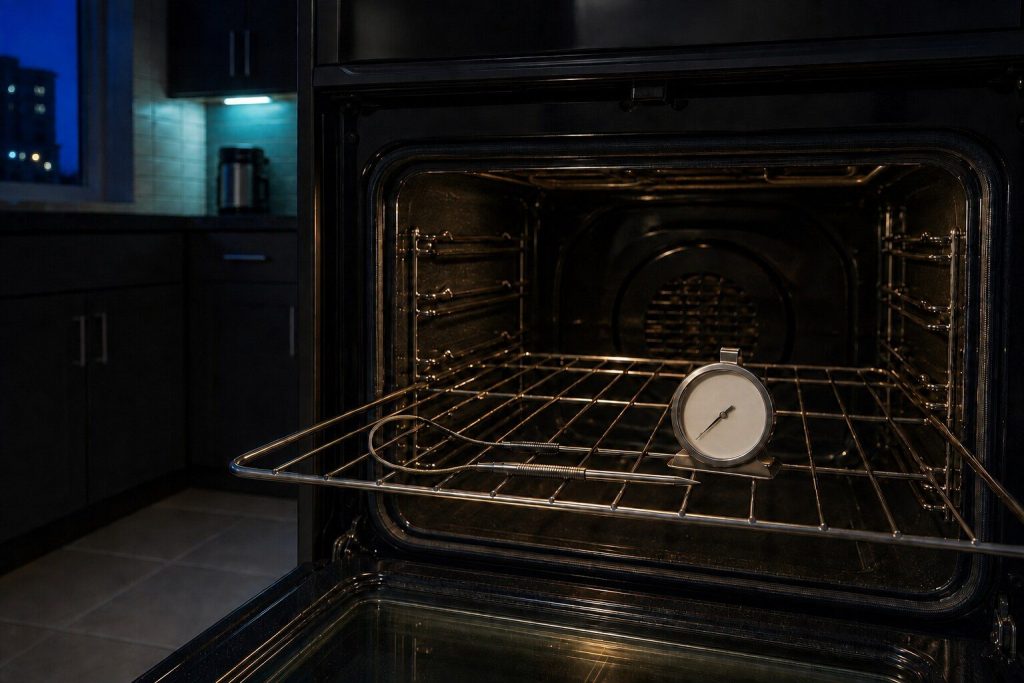
from $135 Oven sensor calibration
An oven that is consistently out by twenty or forty degrees is measuring slightly wrong and doing exactly what it is told. That is what the offset in the control menu is for. An oven that swings is a different thing and needs the sensor, and telling the two apart takes half an hour with a probe.
- Steady error is calibration; a swing is the sensor
- Measured against a probe, not against the display
- Most LG ovens offer an offset of up to about 35°F
-
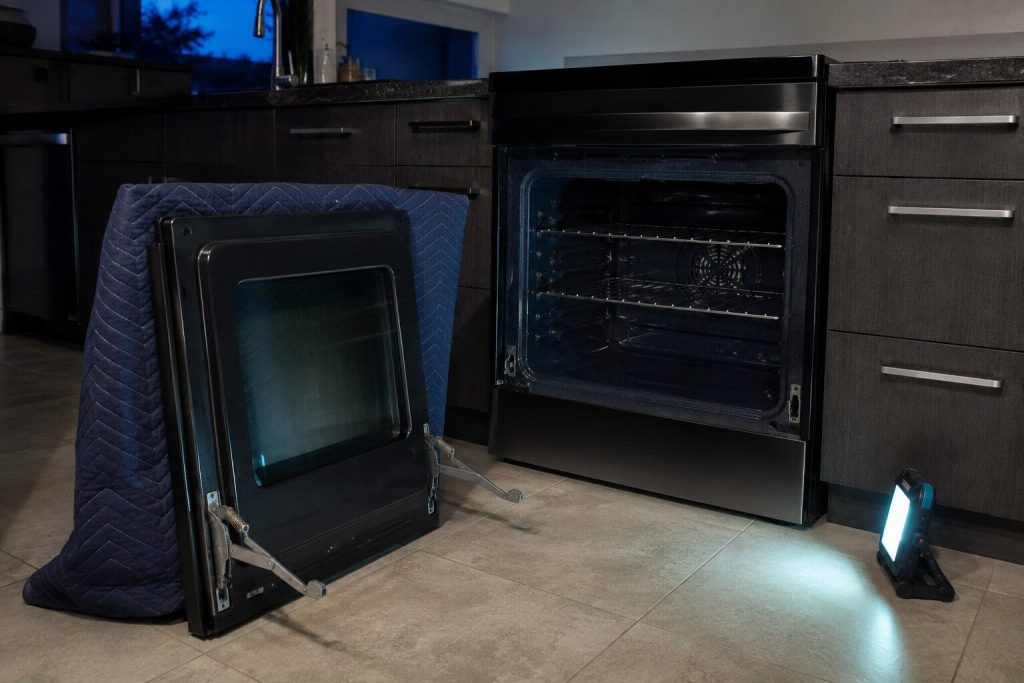
from $185 Oven door repair
An oven is a box with one deliberately weak side. A hinge that has dropped, a spring that has tired or a glass pack that has separated all let heat out of the top corner, and the consequence is a cavity that preheats slowly, cooks unevenly and always seems to need longer than the recipe says — with a sensor that measures perfectly well.
- Slow preheating and uneven cooking with a good sensor is usually the door
- The door is heavier than it looks and the alignment is the job
- F10 and F20 are the lock rather than the hinge
-
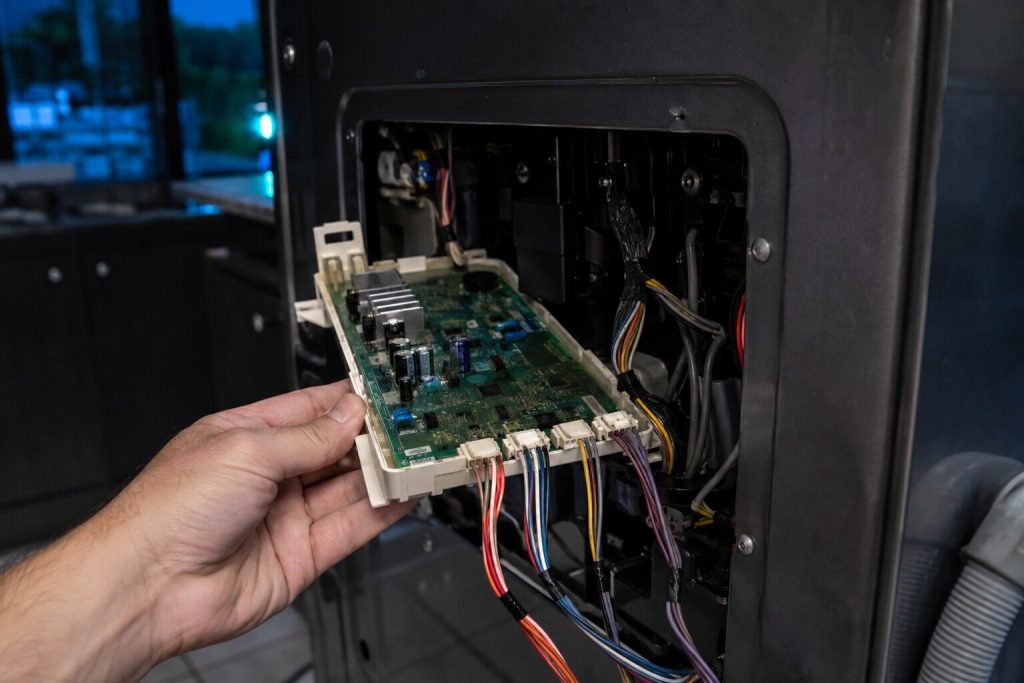
from $285 Appliance control board repair
The board is the last thing suspected rather than the first, because supply problems imitate it perfectly: a long extension lead, a shared circuit with something heavy on it, or a socket with a poor neutral will all produce board errors on a machine that is otherwise healthy. A second board fails exactly the way the first one did.
- The supply is checked first, every time
- EE on a washer and F11 on a range are board-level codes
- A board replaced without finding what killed it is a repeat visit
-
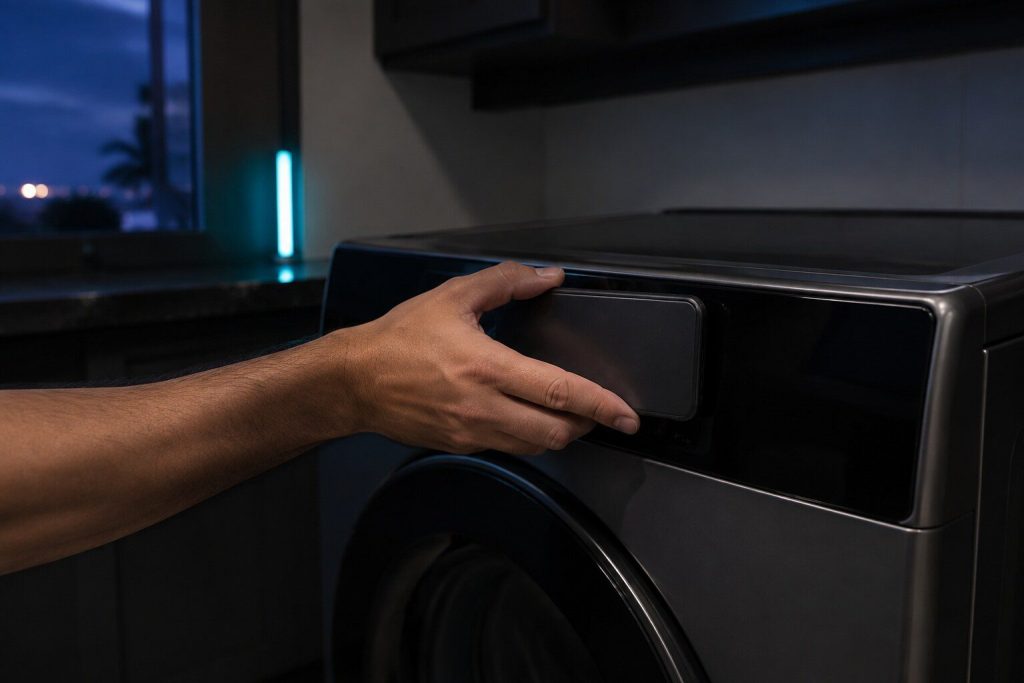
from $115 Smart diagnosis and firmware service
LG builds diagnostics into these machines that most makes do not: a connected app, a stored history, and on many models an audible diagnosis the machine plays down a phone line. When that side stops working the appliance still washes and still cools — but you lose the reporting, and on this make the reporting is worth having.
- Connectivity, firmware and the app-side diagnosis
- The machine works without it; you lose the instrumentation
- Often a network problem rather than an appliance one
In more detail
About LG wall ovens
Built in, and sharing a brain with the ranges
LG's wall ovens come single, double and as combination cabinets with a microwave above the oven; LG STUDIO is the finish line rather than a different machine. The control board, the sensors and the published failure codes are shared with the freestanding and slide-in ranges, which is why the F-series list on this site covers both.
Why the code number matters more here
On a range there is one oven and the code tells you what. On a double wall oven there are two, and the code tells you what and where. F1, F2, F6, F7, F9 and F10 belong to the upper cavity; F4, F5 and F20 belong to the lower. That distinction saves a visit's worth of guessing on the appliance where guessing costs the most, because reaching the wrong cavity means taking the oven out of the cabinet twice.
This article is based on:
- Official manufacturer documentation
- Internal repair procedures
- Technician repair history
- Company quality standards
Before you book
Questions about LG wall ovens
The top oven works and the bottom one does not.
On a double wall oven that is close to a diagnosis on its own, because the two cavities have separate elements, separate sensors and, in the code list, separate numbers: F4 and F5 are the lower oven thermistor and F20 the lower door lock, against F1, F2 and F10 for the upper. What they share is the control board and the supply, so a problem that takes out both at once is a different and usually simpler thing than one that takes out either.
The door locked during self clean and has not unlocked.
Give it time first — the lock will not release until the cavity is genuinely cool, and on a well-insulated wall oven that is hours, not minutes. If it is cold and still locked, the motorized latch or its switch is the failure, and on a built-in that is a real job because the oven has to come out of the cabinet to reach it. F27, a cooling fan stalled during self clean, is the code that turns this from an inconvenience into a reason to stop using the oven.
Is a built-in harder to repair than a range?
Sometimes, and it is fair to say why. Everything electrical and everything thermal is the same. What differs is access: a wall oven is screwed into joinery, carries its own weight on a cabinet that was built around it, and has to be drawn out on a stand before the back is reachable. We plan for that, which is why a wall oven visit is booked differently from a range visit.
Where we do it
Across Miami-Dade, Broward, and Palm Beach
Same terms everywhere we go: an on-site diagnostic first, the price agreed in writing, and the exact figure confirmed once we have seen the unit.
Neighborhoods people ask for by name