Maintenance & Prevention
The Twenty Minutes That Prevent the Most Expensive Refrigerator Repair
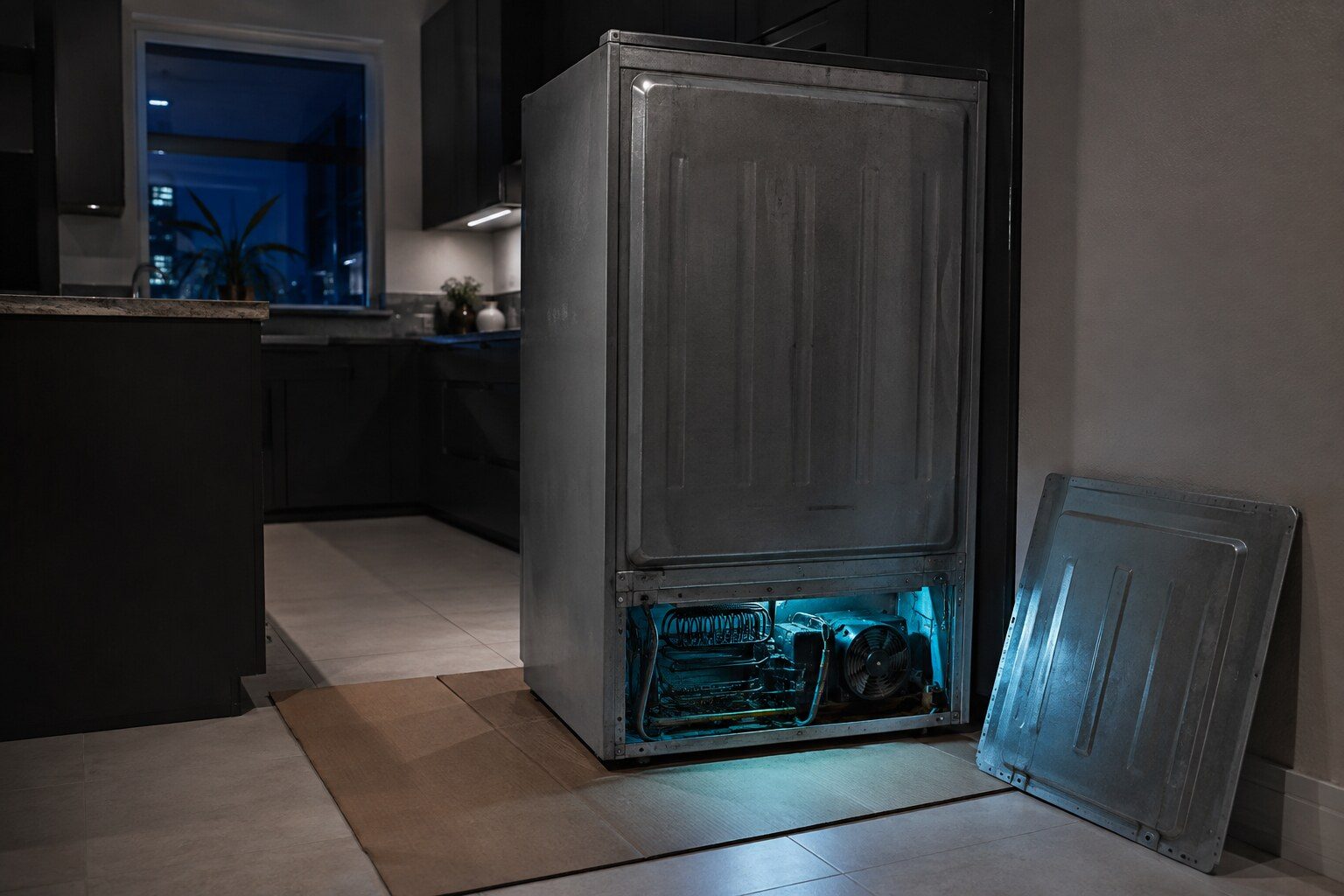
The condenser is the coil that throws heat out of the refrigerator, and on an LG freestanding cabinet it lives behind a panel at the bottom rear, reached from behind rather than from a front grille the way many built-ins are. Nothing reports it when it clogs. LG codes the fan that blows across it as CF, and codes nothing at all for the coil itself, so a cabinet insulated in dust and pet hair simply runs longer and longer while everything looks normal — until the day the freezer is soft and the compressor has been running for a decade at a duty it was never meant to hold. In a coastal kitchen the coating is heavier and arrives faster, because salt air, humidity and cooking grease bind dust rather than letting it fall. Twenty minutes twice a year with the machine unplugged, a vacuum and a soft brush is the whole job, and it is the cheapest thing anybody can do for a refrigerator.
The full guide
LG refrigerator condenser cleaning: why this one job matters more than the rest
A refrigerator does one thing: it moves heat from inside the box to the kitchen. The condenser is where that heat leaves — a coil of tubing with fins, with a fan blowing across it.
Cover that coil in a blanket and the heat has nowhere to go. The compressor keeps working, longer and longer, at a pressure it was not designed to hold, and it does that quietly for years.
Nothing tells you
This is the part worth understanding. LG's refrigerators report a great deal about themselves — there is a code for almost every sensor and motor in the cabinet — and there is a code for the fan that blows across this coil, CF.
There is no code for the coil.
A machine that is slowly strangling itself under a layer of dust looks completely healthy on the display, right up to the day the freezer goes soft. By then the failure is usually not the coil any more; it is the compressor that spent five years covering for it, and that is a sealed system job.
Why coastal kitchens are worse
Three things arrive together here.
Humidity, which makes dust sticky rather than loose. In a dry climate a good deal of it falls off; here it stays.
Cooking grease, which drifts further than people expect and gives the dust something to bind to.
Salt air, if you are near the water, which does the binding and also corrodes the aluminum fins over time.
And then pet hair, which is not a climate matter but is the single most common thing we vacuum out of a coil in this city. It insulates beautifully.
The job
Unplug it. Not the temperature dial — the plug. And then leave it a few minutes, because the coil and the compressor are genuinely hot.
Pull the cabinet out. Enough to get behind it. On tile, a piece of cardboard under the front feet saves the floor.
Take the rear panel off. Usually a row of screws around a thin metal or plastic cover at the bottom.
Vacuum, then brush, then vacuum. A crevice tool along the fins, a soft brush to loosen what the vacuum will not take, and then the vacuum again for what the brush released. Work in the direction of the fins rather than across them — they bend easily and a bent fin blocks air as effectively as dust did.
Do the fan while you are there. The blades collect their own coating and an unbalanced fan is a noise complaint waiting to happen.
Look at the drain pan. It sits under the machine room and it should be dirty-damp, not full and not dry-crusted. What is in it says something about the defrost drain.
Panel back on, cabinet back, plug in. Expect it to run hard for a while as the box comes back down to temperature. That is normal and not a sign of anything.
Twenty minutes, twice a year
Set a reminder for the same weeks each year — say, the start of the dry season and the start of the wet one. That is the whole discipline.
If moving the cabinet is not practical, this is a routine visit for us: condenser cleaning starts at $125 and covers the coil, the fan and the pan. The repair it prevents starts at $595, and often ends with a conversation about replacement instead.
If it turns out to be a repair
What this leads to, and what it costs
Every job on this site is priced the same way: an on-site diagnostic first, the figure agreed in writing before anybody starts.
-
Condenser cleaning service
The cheapest thing on this list and the one that prevents the most expensive. The condenser is the coil that throws the heat away, and in a coastal kitchen it fills with dust, hair and salt air until the compressor is working against a blanket. LG codes the fan over it as CF; nothing codes the coil itself, which is why it goes unnoticed for years.
- Coil, fan and machine room, properly rather than a brush at the front
- Nothing reports a dirty coil — it is found by looking
- It lowers the running temperature, the noise and the bill
-
Refrigerator error code CF
LG refrigerator error code CF: The condenser is the coil that throws the heat away, and it needs air moving across it to do that. Every spelling LG publishes for it, which machines can raise it, and what to do next.
What this one means -
Refrigerator not cooling
The most common call on this badge, and the first check is free. An LG refrigerator has a showroom mode that lights the whole panel, runs the fans and cools nothing at all, and it gets switched on at home by accident often enough that we ask about it on the phone before anything else.
- Demo mode looks exactly like a broken refrigerator and clears in ten seconds
- Three separate fan codes, and the usual cause of all three is ice rather than a dead motor
- The sealed system is last, and it is measured rather than assumed
Questions people ask about this
How do I know if mine is dirty?
You look. There is no indicator and no code, which is the entire problem. Pull the cabinet out, take the rear panel off and shine a torch at the coil: a clean one shows daylight between the fins, a bad one looks like a felt blanket. Signs that should send you to look are a compressor that seems to run constantly and a kitchen floor that is warm near the fridge.
Can I clean it from the front?
On most LG freestanding cabinets, no. A lot of built-in refrigerators put the machine room behind a front kick grille and can be serviced without moving anything, and people expect the same here. On these you move the cabinet out and take a panel off the back. That is the reason so few people ever do it.
How often, really?
Twice a year in South Florida for an ordinary household, and three or four times with a shedding pet. The pet hair is not an exaggeration — it is by far the most common thing we vacuum out of a coil in this city, and it insulates far better than dust does.
Is it worth paying somebody to do it?
If the cabinet is heavy, built into cabinetry, or the floor is a tile you would rather not drag it across, yes. A condenser cleaning service starts at $125 and includes the fan and the drain pan while the panel is off. Against a sealed system repair starting at $595 the arithmetic is not close.
Maintenance & Prevention
More guides like this one
-
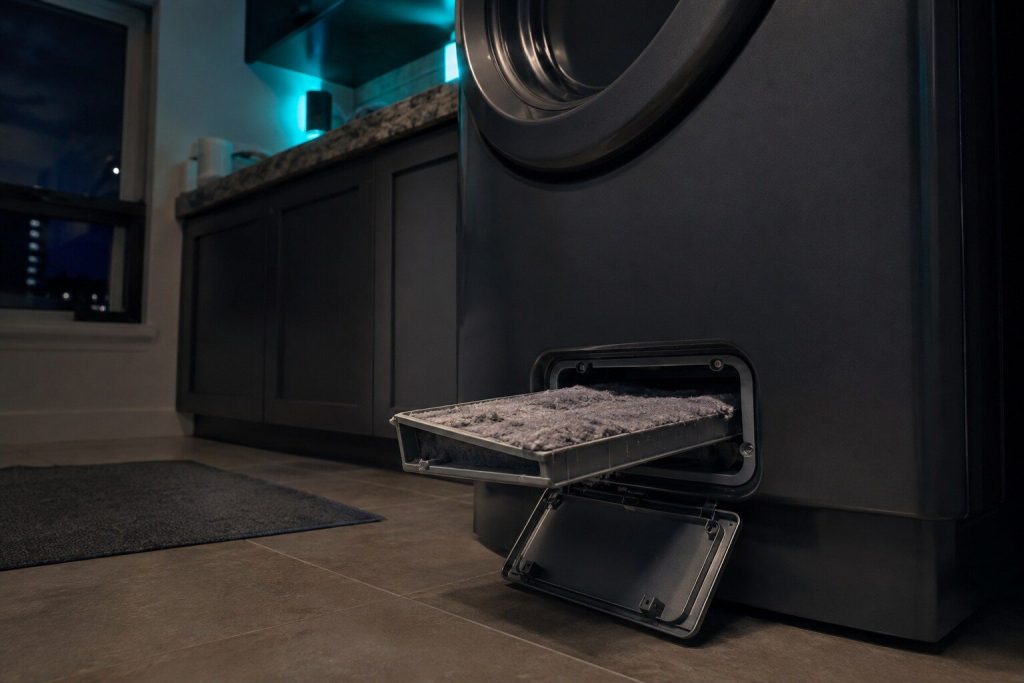
A Dryer With No Vent: The Maintenance Nobody Told You About
A heat pump dryer has no duct, two lint filters instead of one, a condenser block that slides out and a water path that stops the machine when it blocks. None of that is optional.
Read more -
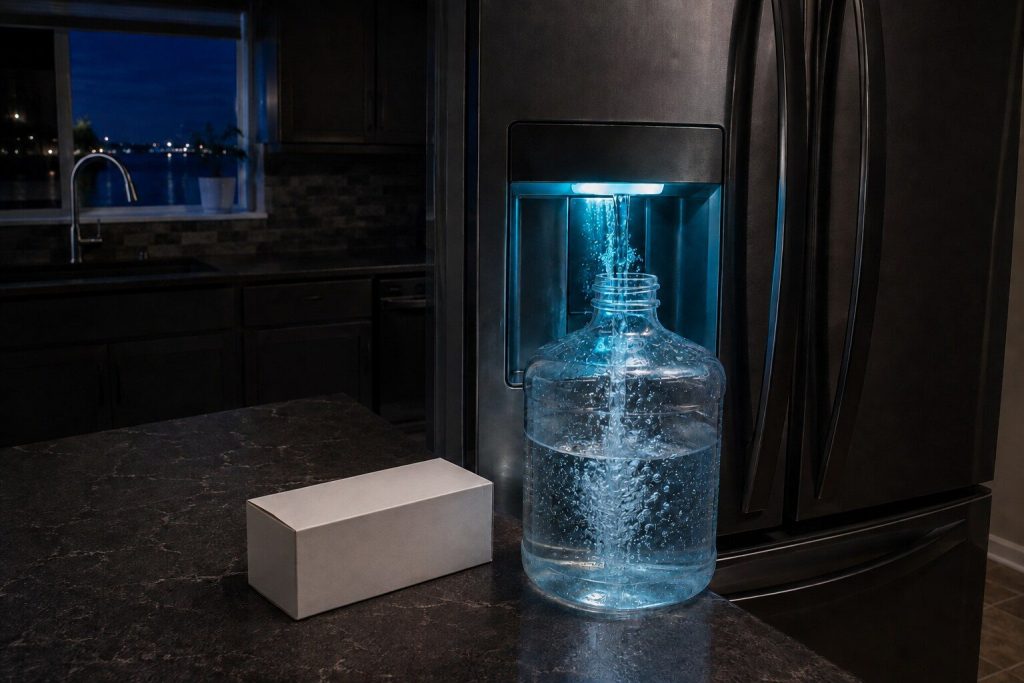
How Long an LG Refrigerator Water Filter Really Lasts in South Florida
Six months is the label, and the label assumes water that is not this. What actually decides it is hardness, sediment and how much the household draws.
Read more -
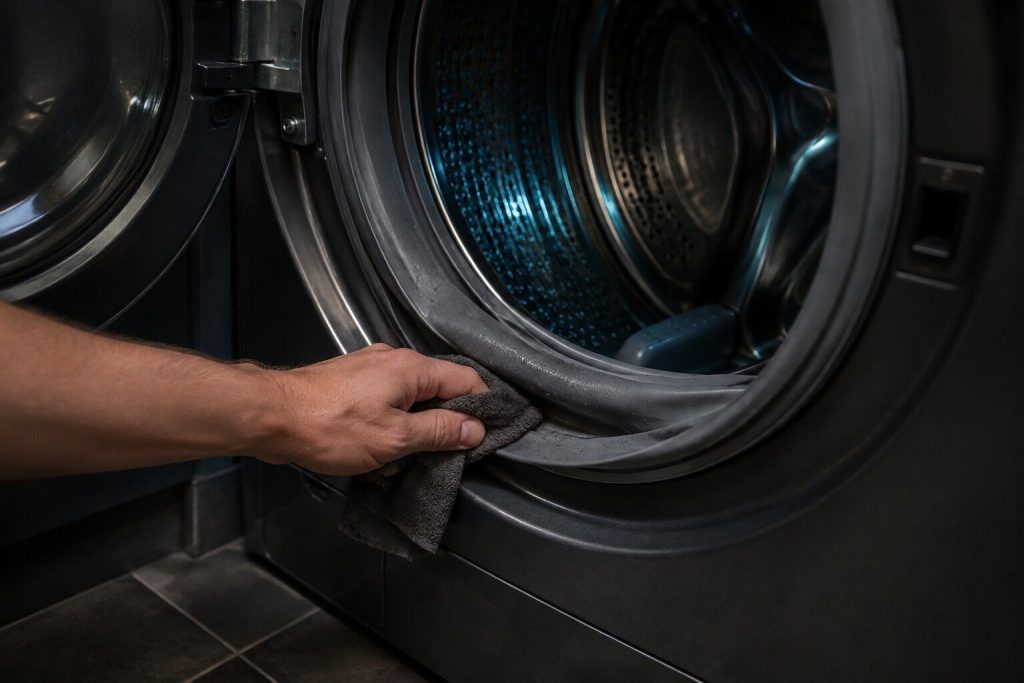
How Often an LG Washer Actually Needs Its Drum Cleaned in Florida
The machine counts loads and asks with tcL. In this climate that request is worth taking seriously rather than dismissing, and the reason is in the gasket fold.
Read more
Tell us the model number and what it is doing.
This article is based on:
- Official manufacturer documentation
- Internal repair procedures
- Technician repair history
- Company quality standards